The first round at the 2023 Shanghai Masters concluded this morning. Of the nine Chinese players involved in the round, only Ding Junui and Fan Zhengyi went through the the second round (L16).
Here is the report by WST on the first day of action
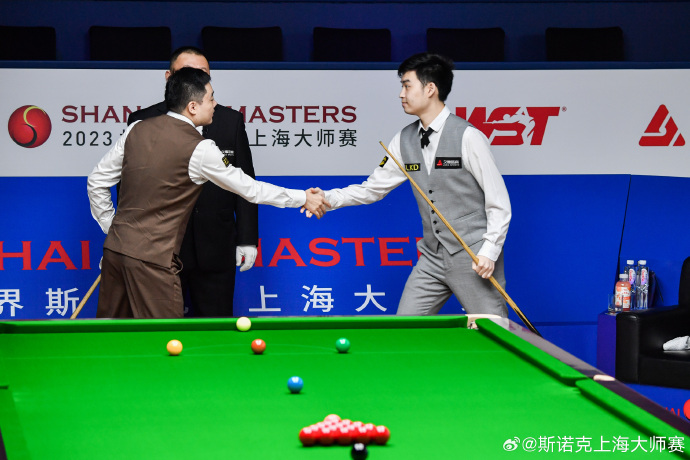
Ding Scores Opening Shanghai Win
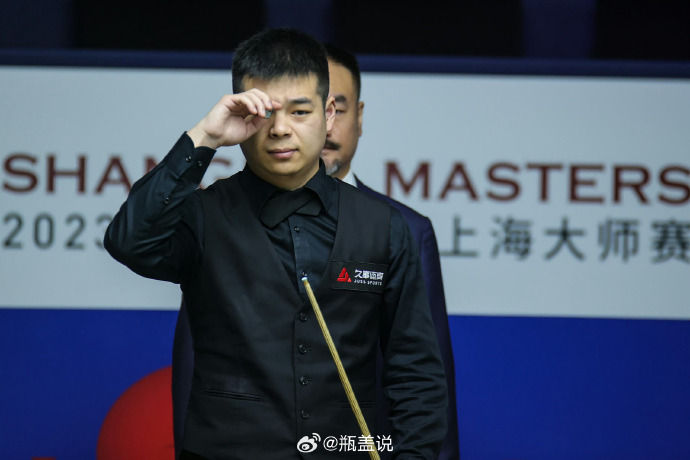
Chinese legend Ding Junhui defeated 21-year-old compatriot Si Jiahui 6-2 to make the last 16 of the Shanghai Masters.
The pair headlined day one in Shanghai, which was hosting professional snooker’s return to mainland China for the first time since 2019. Today’s action saw the first round of this prestigious 24-player invitational event get underway.
Ding is a two-time winner of the Shanghai Masters, but hasn’t won a professional title since the 2019 UK Championship. Si is in the early stages of his professional journey, but showcased his considerable talent with a run to the semi-finals of last season’s World Championship.
After taking the opener, a break of 70 helped Ding to move 2-0 ahead this evening. Si then looked to be in control of the third, crafting a break of 60, but Ding made 51 to come from behind and steal on the black. A contribution of 71 then saw Si get his first frame on the board and head in for the mid-session just two behind at 3-1.
When play resumed the pair exchanged frames, before Ding burst clear for the finish. The 36-year old took two in a row, including a 29-minute eighth, to emerge with a 6-2 win.
Next up, 14-time ranking event winner Ding faces a mouth watering meeting with Australia’s 2010 World Champion Neil Robertson in the last 16.
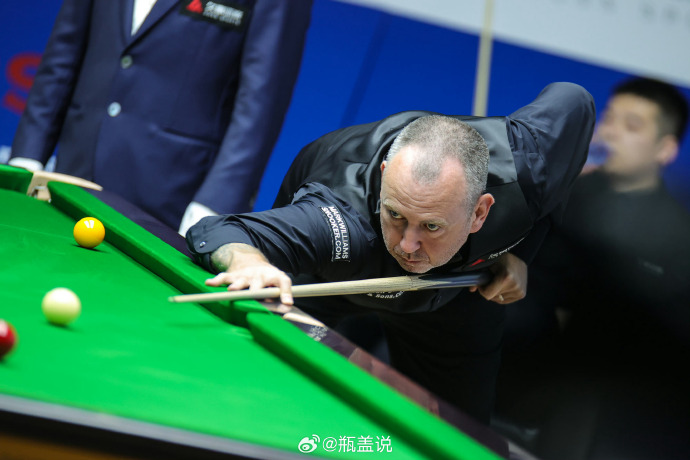
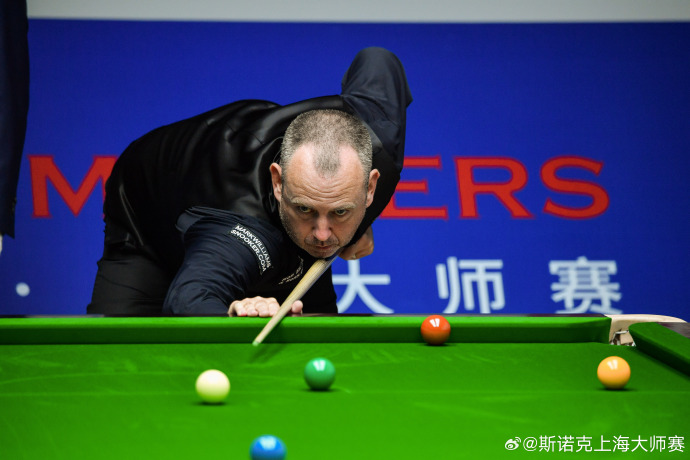
John Higgins achieved a landmark moment in his 6-0 whitewash defeat of Chinese wildcard Deng Haohui.
Scotland’s four-time Crucible king Higgins crafted the 950th century of his career with a run of 141 in the fourth frame. He is the only player other than Ronnie O’Sullivan to have reached that particular figure.
Higgins looked to be in fine touch and also crafted runs of 64, 102, 91 and 59 on his way to victory. The 48-year-old will now face 2015 Shanghai Masters winner Kyren Wilson in the last 16. Afterwards the Glaswegian discussed how happy he was to be back competing in China.
“It is a great arena to play in. It is brilliant and one of the nicest cities in the world, one of the nicest I’ve ever travelled to. It is obviously great to be back,” said 31-time ranking event winner Higgins. ” All the players have enjoyed it. There is everything, sightseeing and the older part of the city. There is lots of great shopping to do. It is brilliant to be back.
“I think I’m playing pretty decent stuff. That obviously helps to be a little bit more motivated. I’ve said in a few interviews that I am trying to preserve my place in the top 16 to be in these tournaments. You don’t want to miss out. I’ve got my work cut out for the whole year to make sure I am still in the top 16.”
Hossein Vafaei eased to a 6-1 win against wildcard Gong Chen. Vafaei made century breaks of 120, 117 and 108 during the win and now plays four-time World Champion Mark Selby. The Iranian will fancy his chances, having won his last three meetings with Selby.
Former Shanghai Masters winner Ali Carter defeated Dong Zi Hao by a 6-2 scoreline, while China’s Fan Zhengyi scored a 6-2 win over Scottish Open champion Gary Wilson.
Jack Lisowski made a fine contribution of 84 in the deciding frame to edge out Zhou Yuelong 6-5. He now faces an intriguing last 16 showdown with close friend Judd Trump.


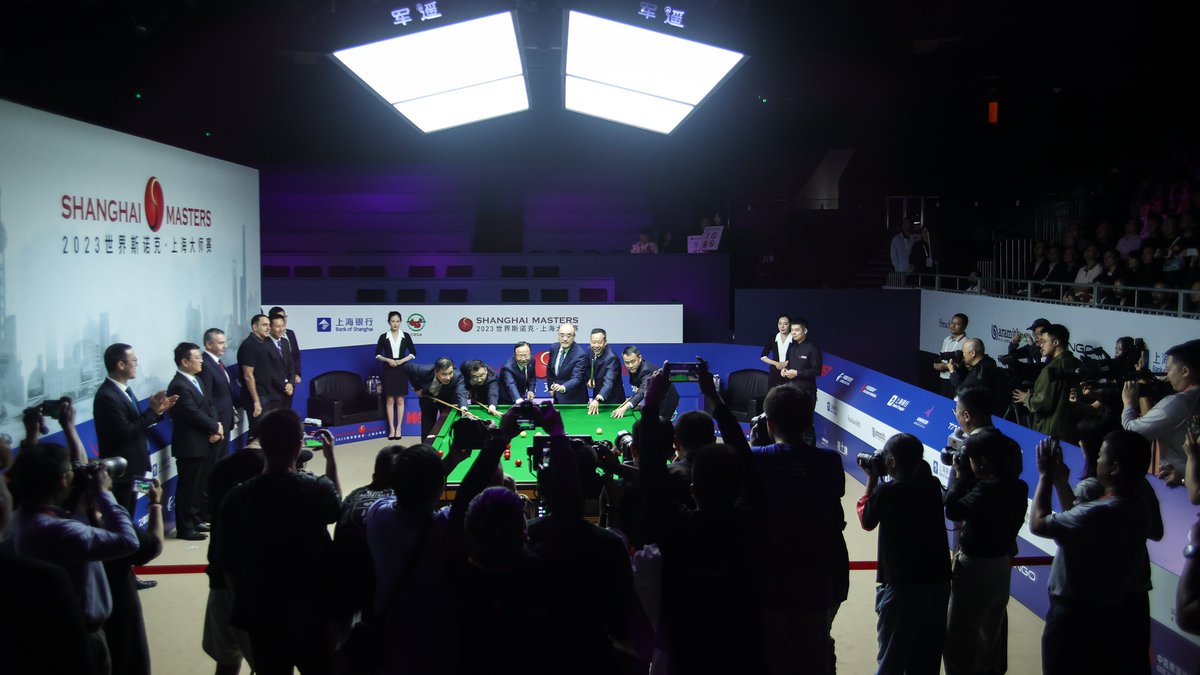
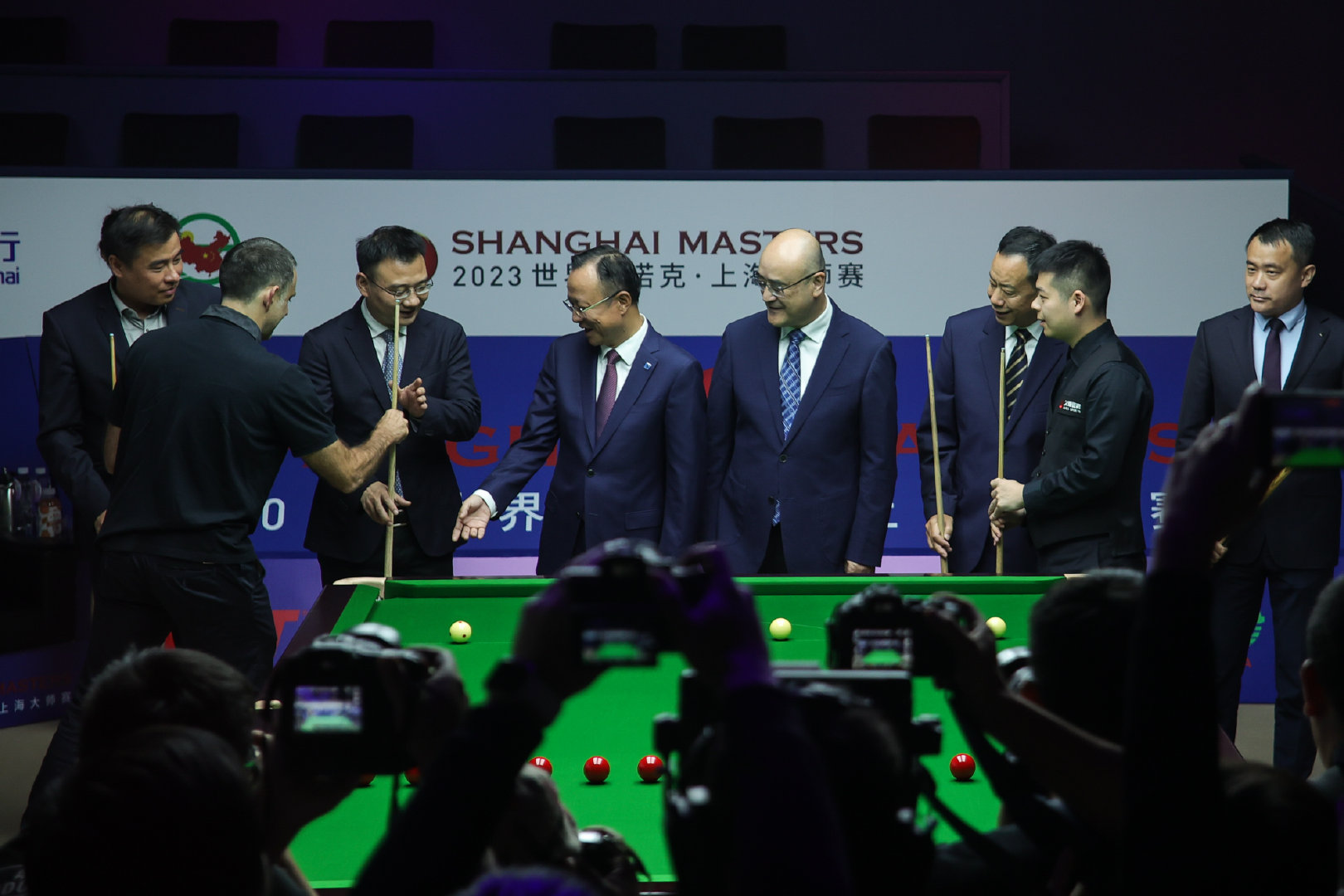
At the start of one session there was the usual “opening ceremony” with officials gathering at the table and simultaneously playing a symbolic shot. Ronnie, as defending Champion joined them.
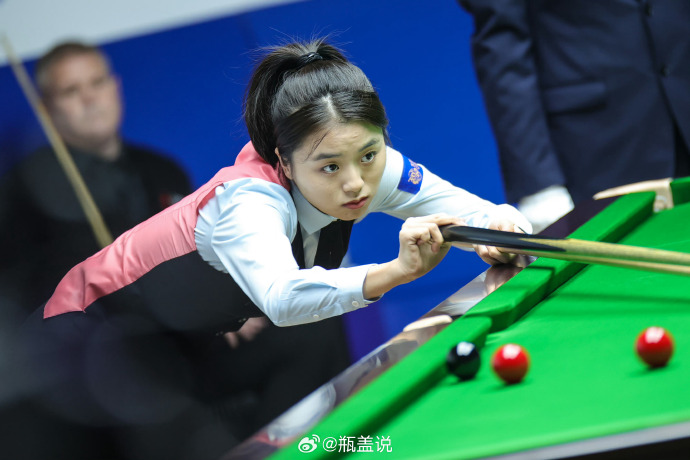
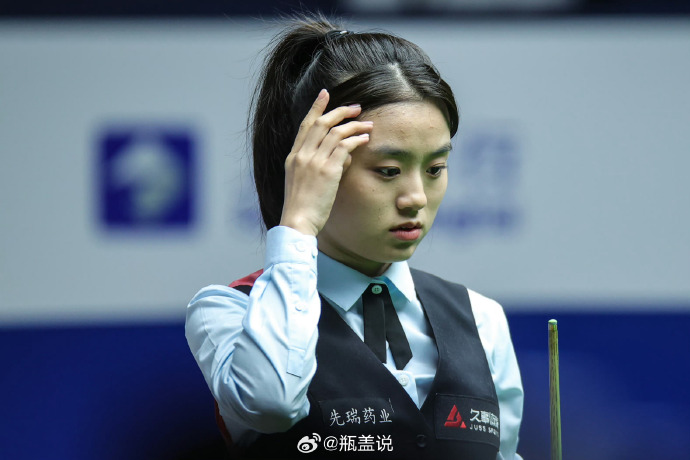
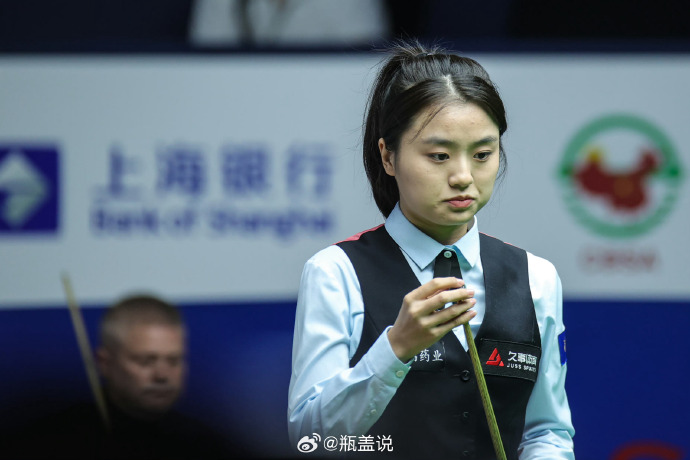
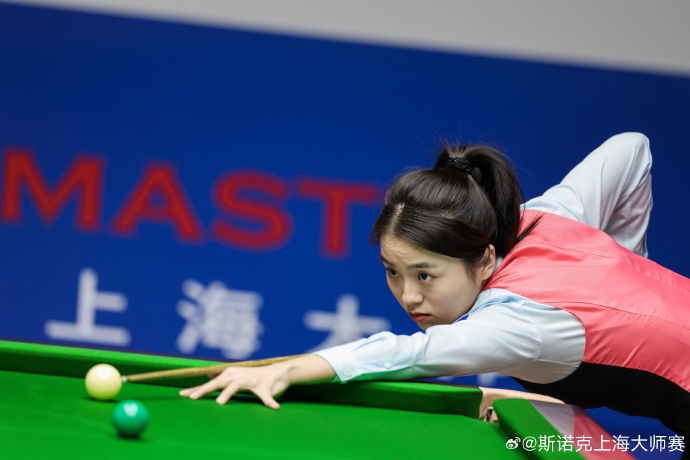
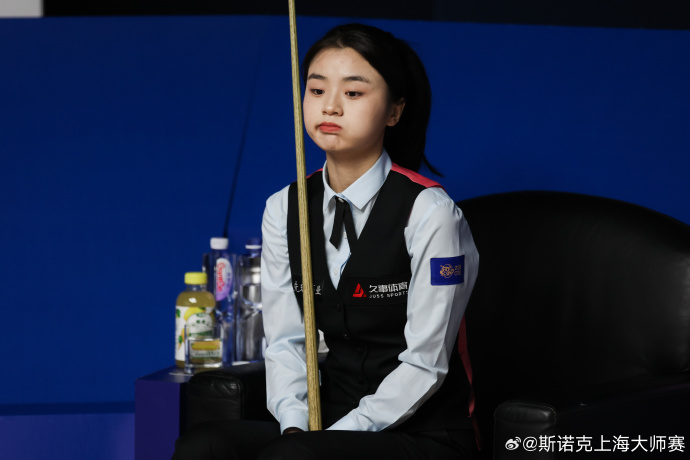
Missing from this report are today’s morning matches. Robert Milkins beat Bai Yulu by 6-1. Bai however showed some real quality. She made a big break, a 75, in the only frame she won. Before the MSI, Robert Milkins scored heavily: he made breaks of 52, 72, 56 and 66 pouncing on every mistake of his young opponent. The match became more tactical after the MSI. Bai, like the other Asian women players lacks a bit of power. On several occasions her attempts at splitting the pack didn’t yield much. She is very slim, but taller than Mink and Baipat. After the game, Bai came on Weibo and posted this: ”
The first trip to the Shanghai Masters is over. I also saw the gap with the world’s top players. It was a very good tournament experience. See you in the next game, the British Women’s Championship # extraordinary September # #我与SNooker有
The match between Jack Lisowski and Zhou Yuelong was the only close match of the round. It was actually pulled off at 4-4, and resumed when a table became available after the last session of the day. Interestingly, Sinosports on twitter reported that, because the spectators sat at that table were not able to see the conclusion of the match, they would get a full refund.
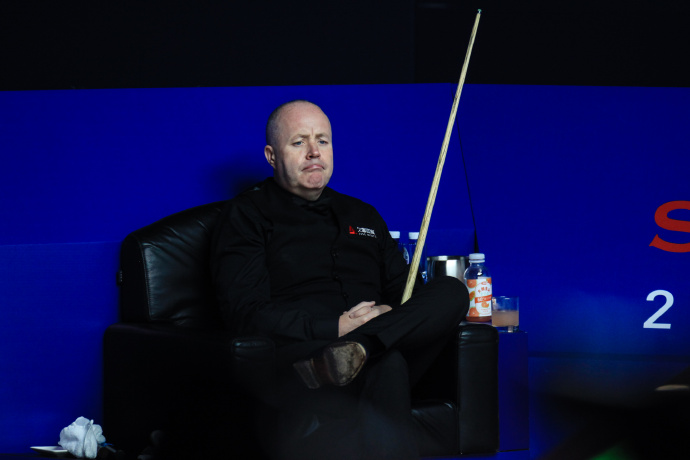
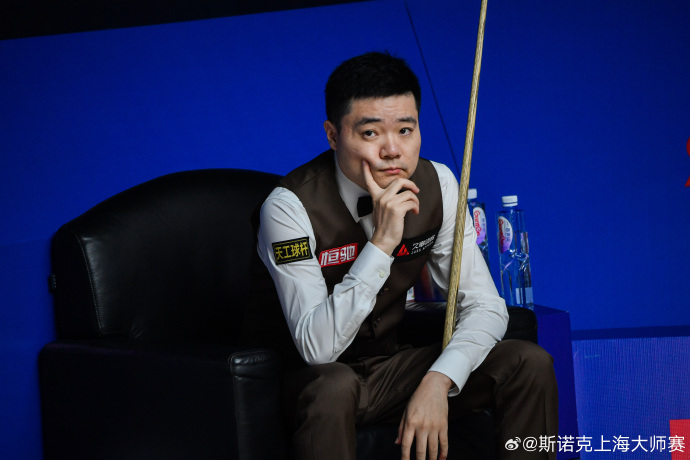
Ding got a lot of criticism by the ES commentators (Alan McManus and Fergal O’Brien). It is true that his game isn’t currently at the level it was some years ago, and it is true that he looked dispirited and disinterested at times, slumped in his chair. But he won the match quite convincingly anyway, despite not playing competitively at all since the World Championship last April. Of course he wasn’t sharp but he still won by 6-2 beating Si Jiahui who reached the semi-finals at the Crucible.
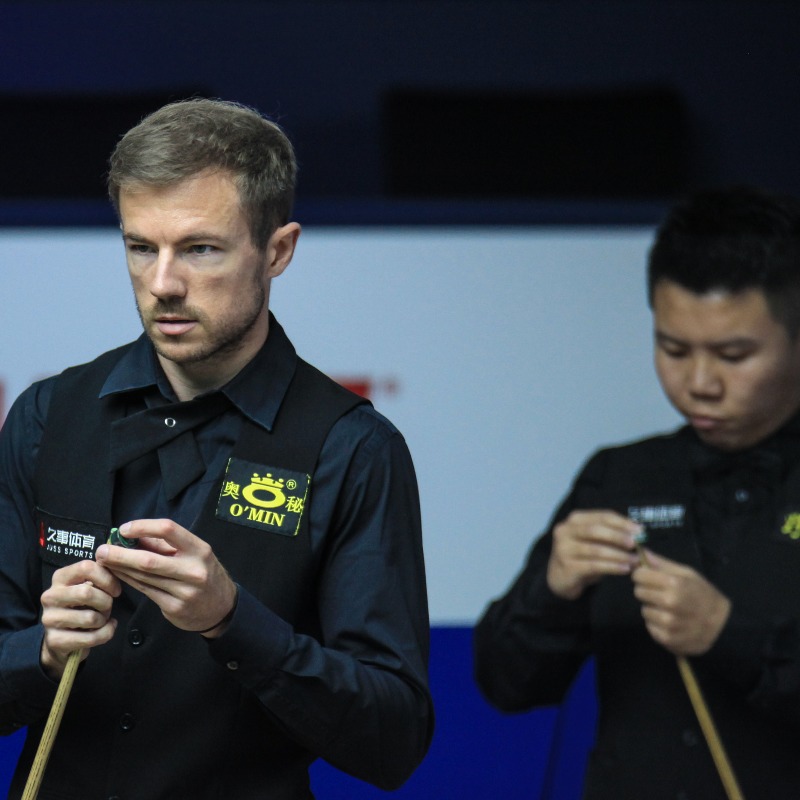
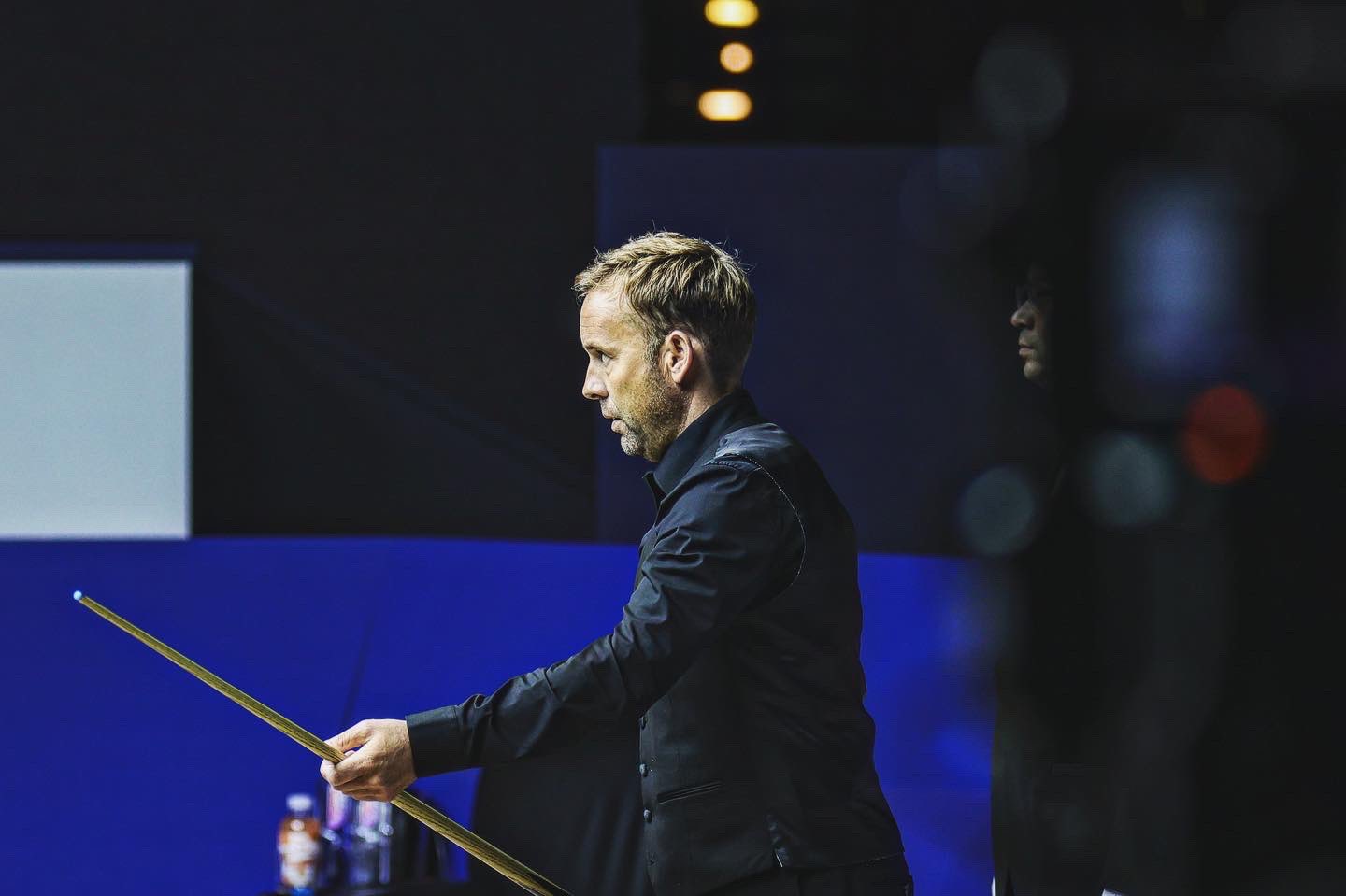
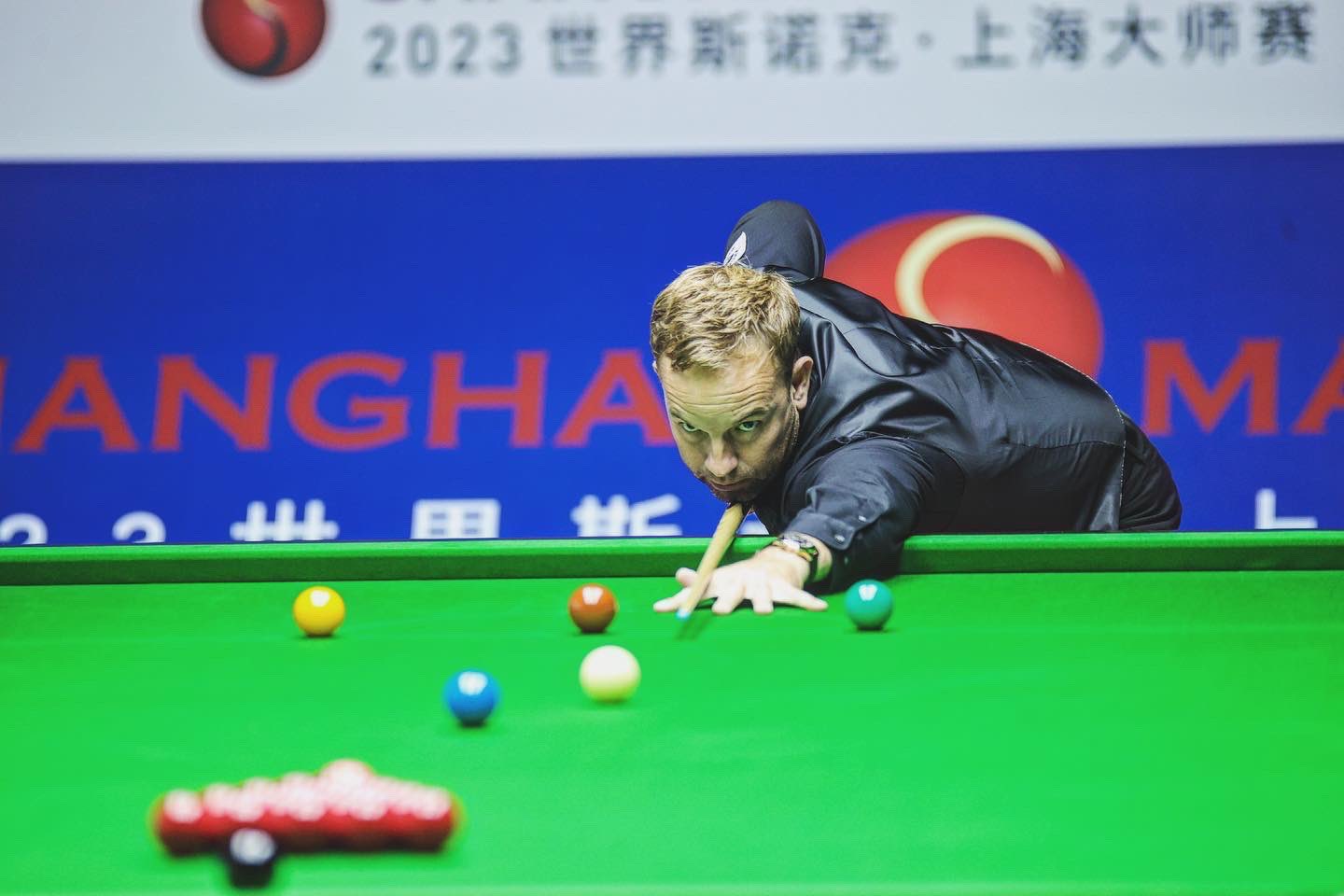
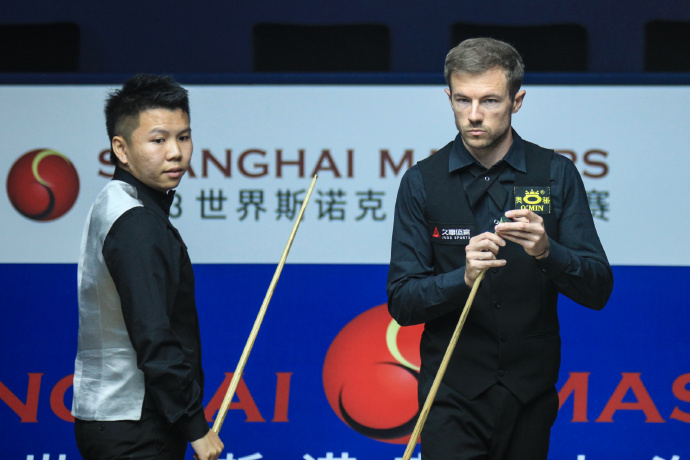
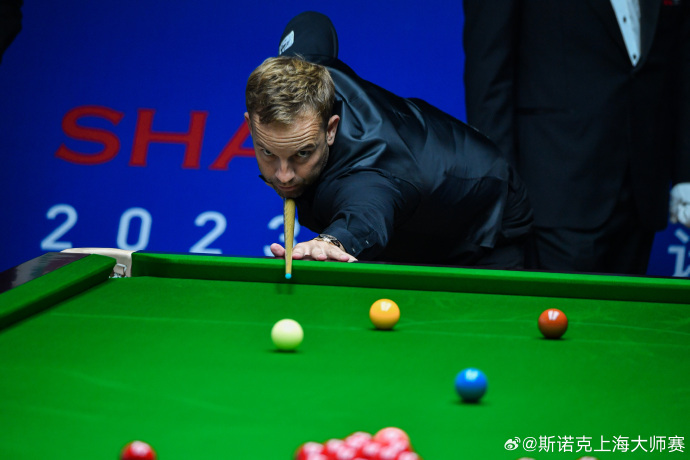
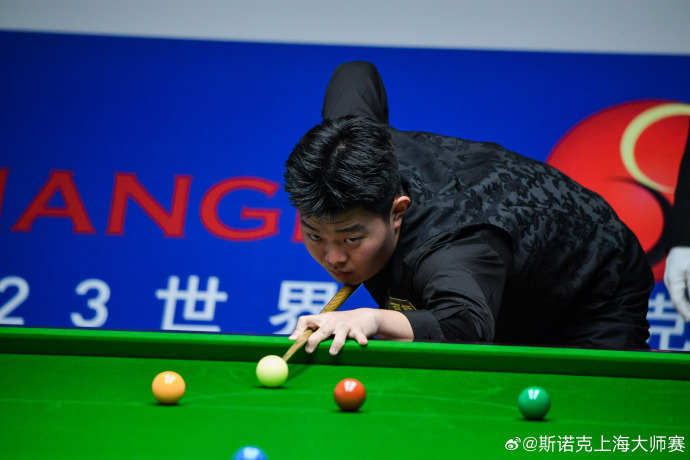
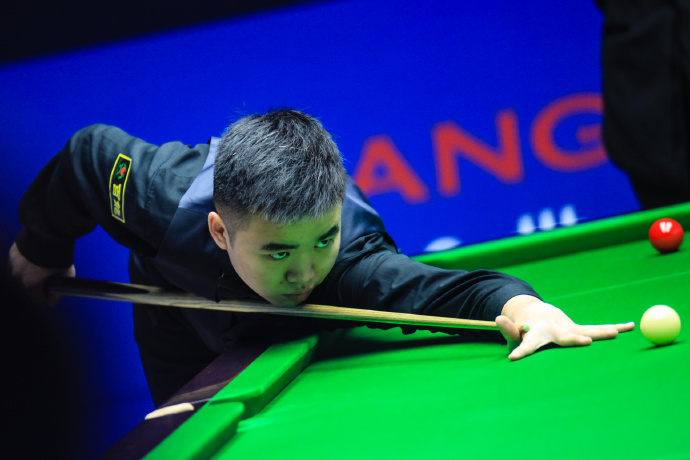
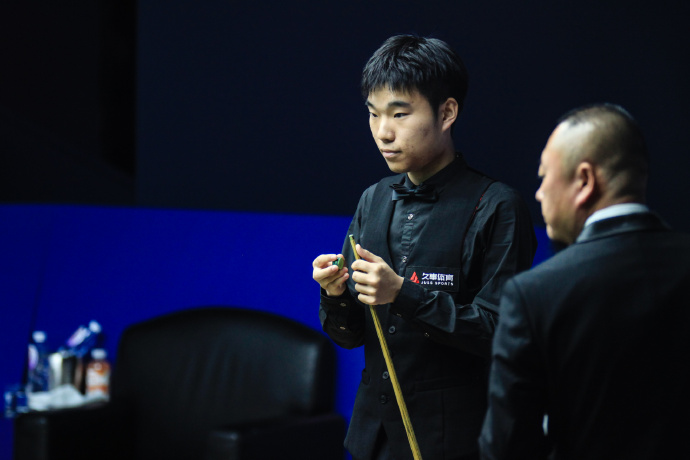
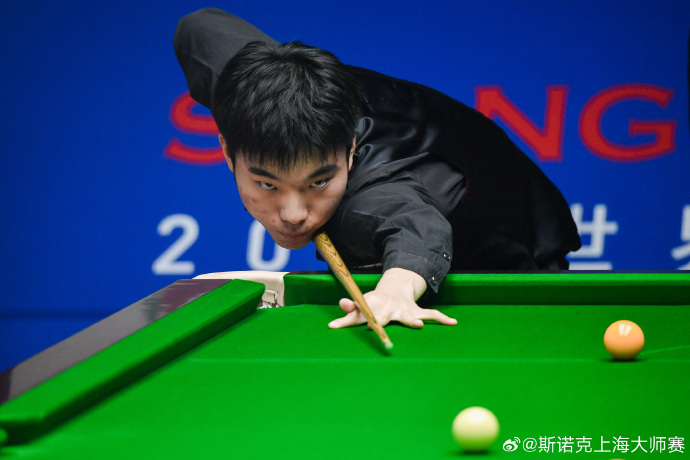
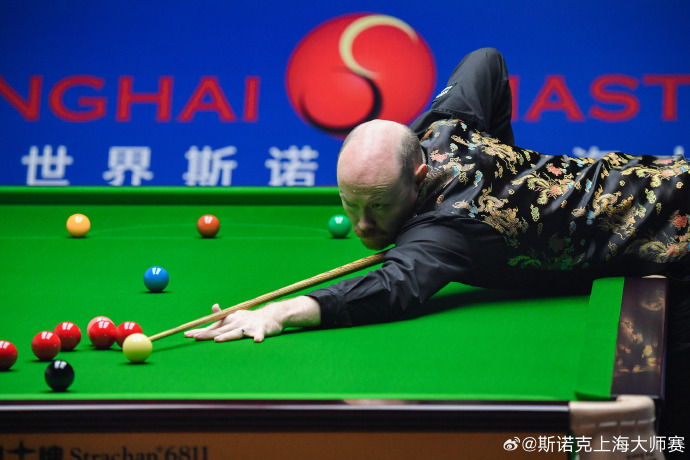
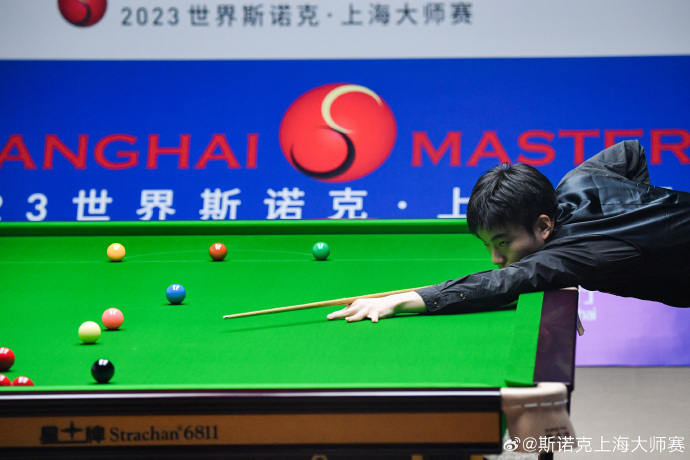
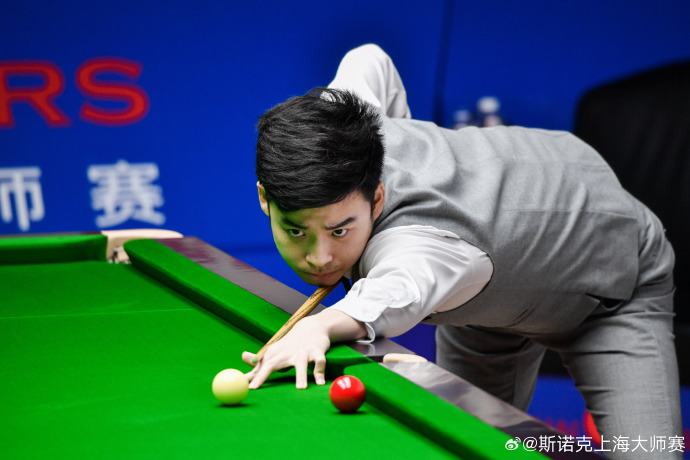
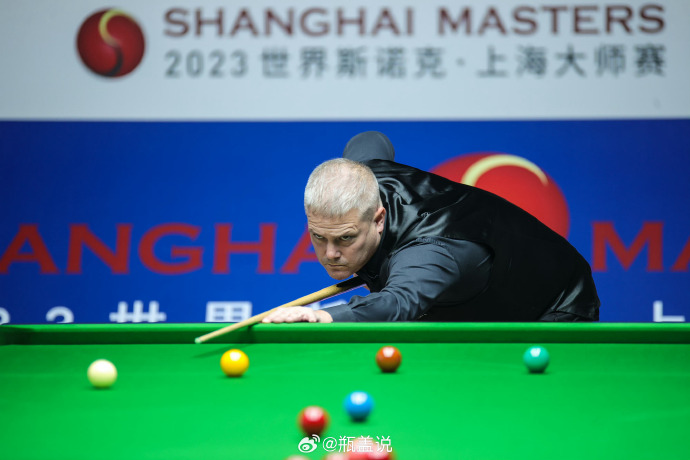
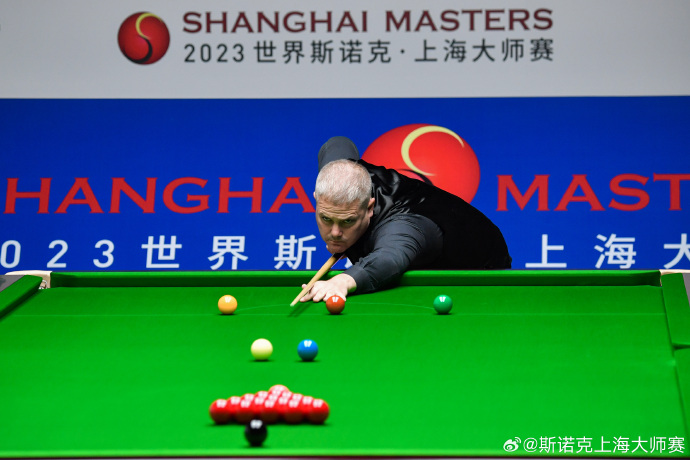
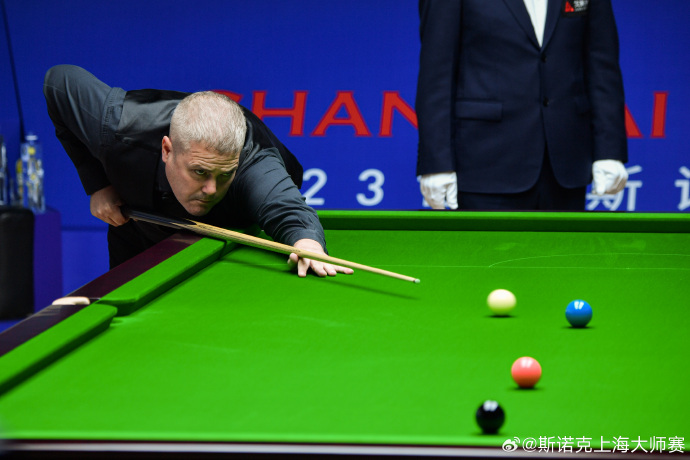
And some images shared on social media, mainly on Weibo by WST and the tournament dedicated account



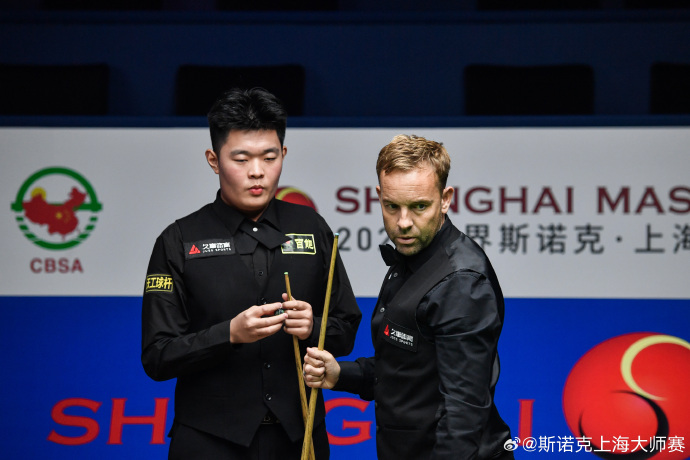
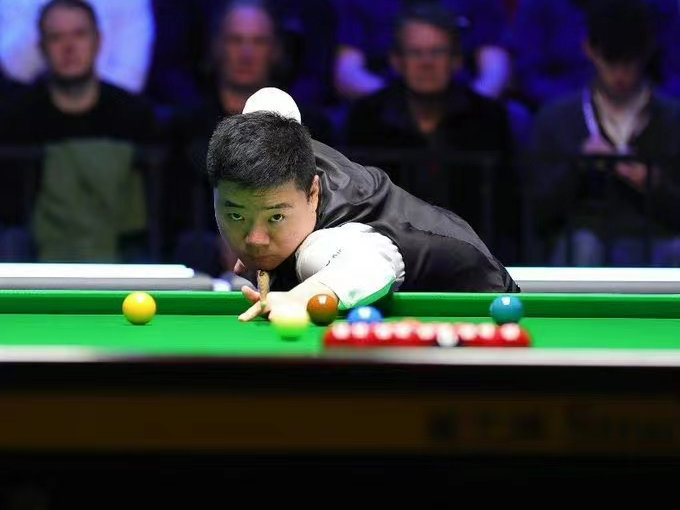
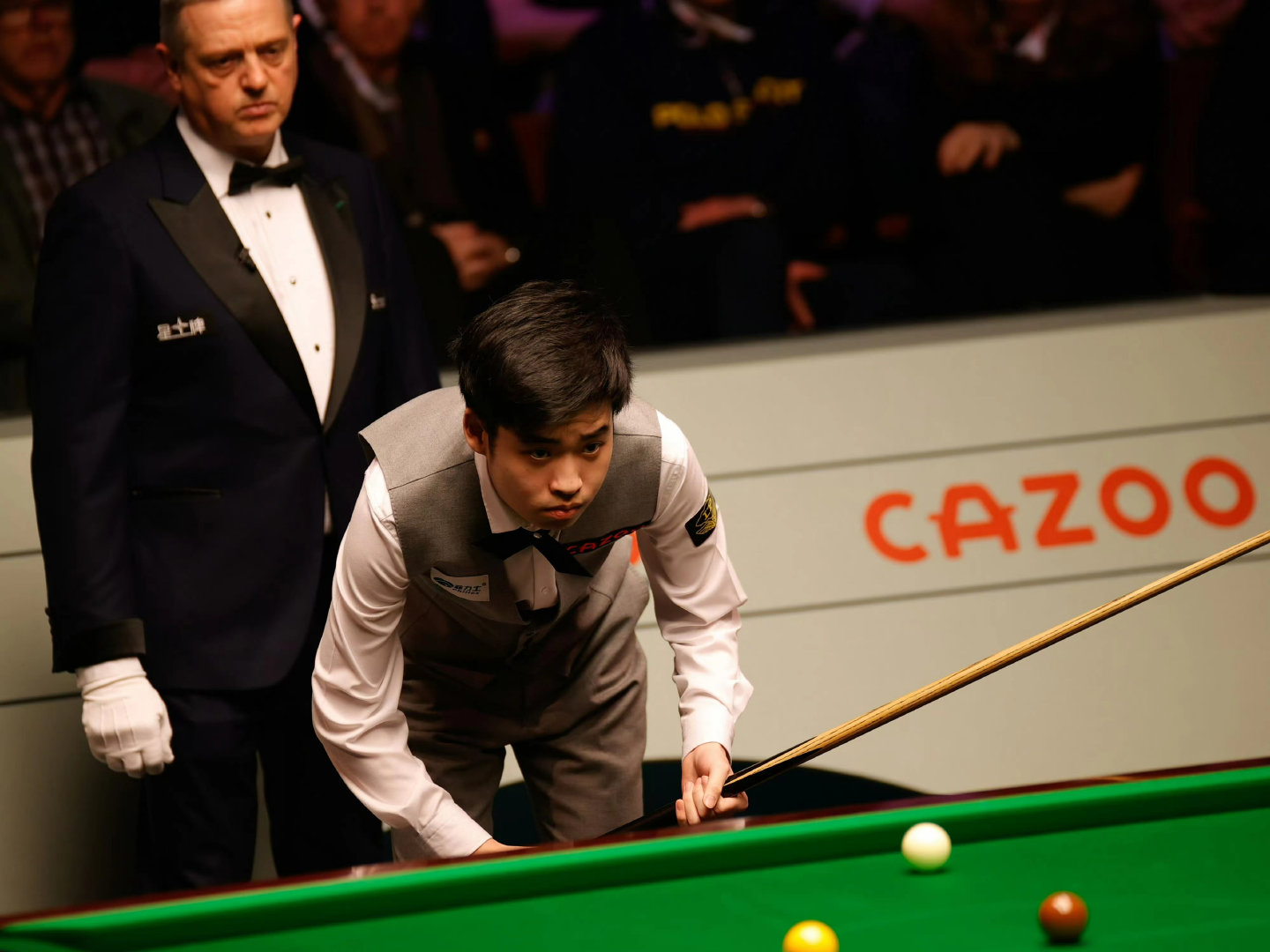
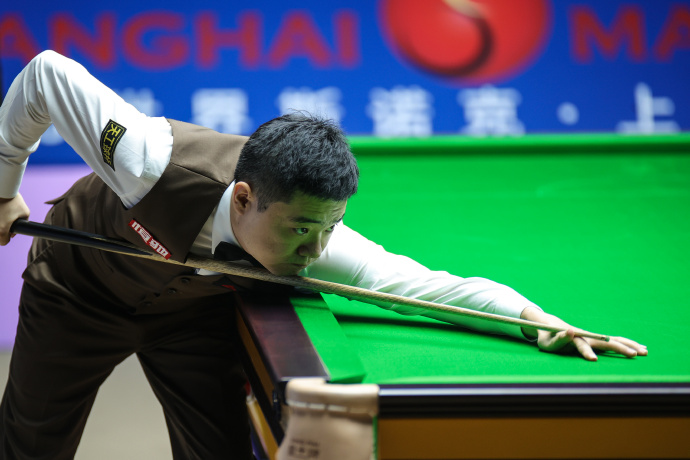
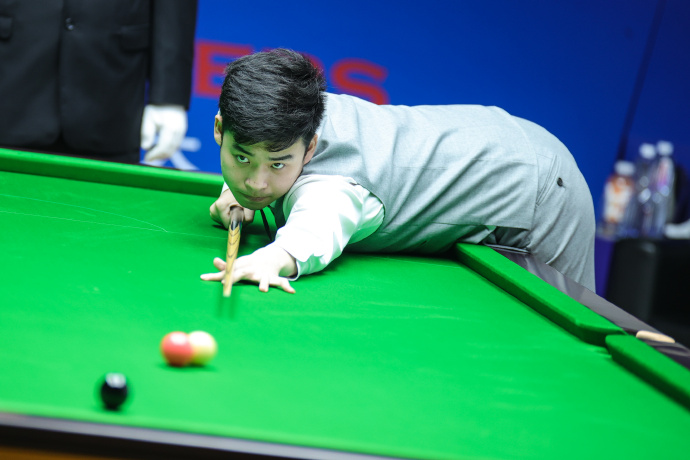
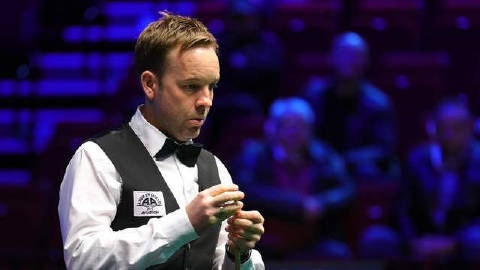
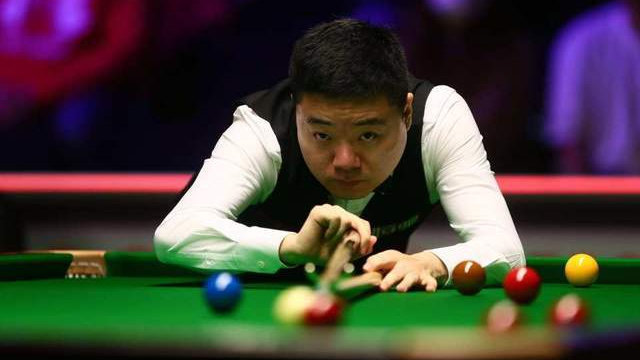
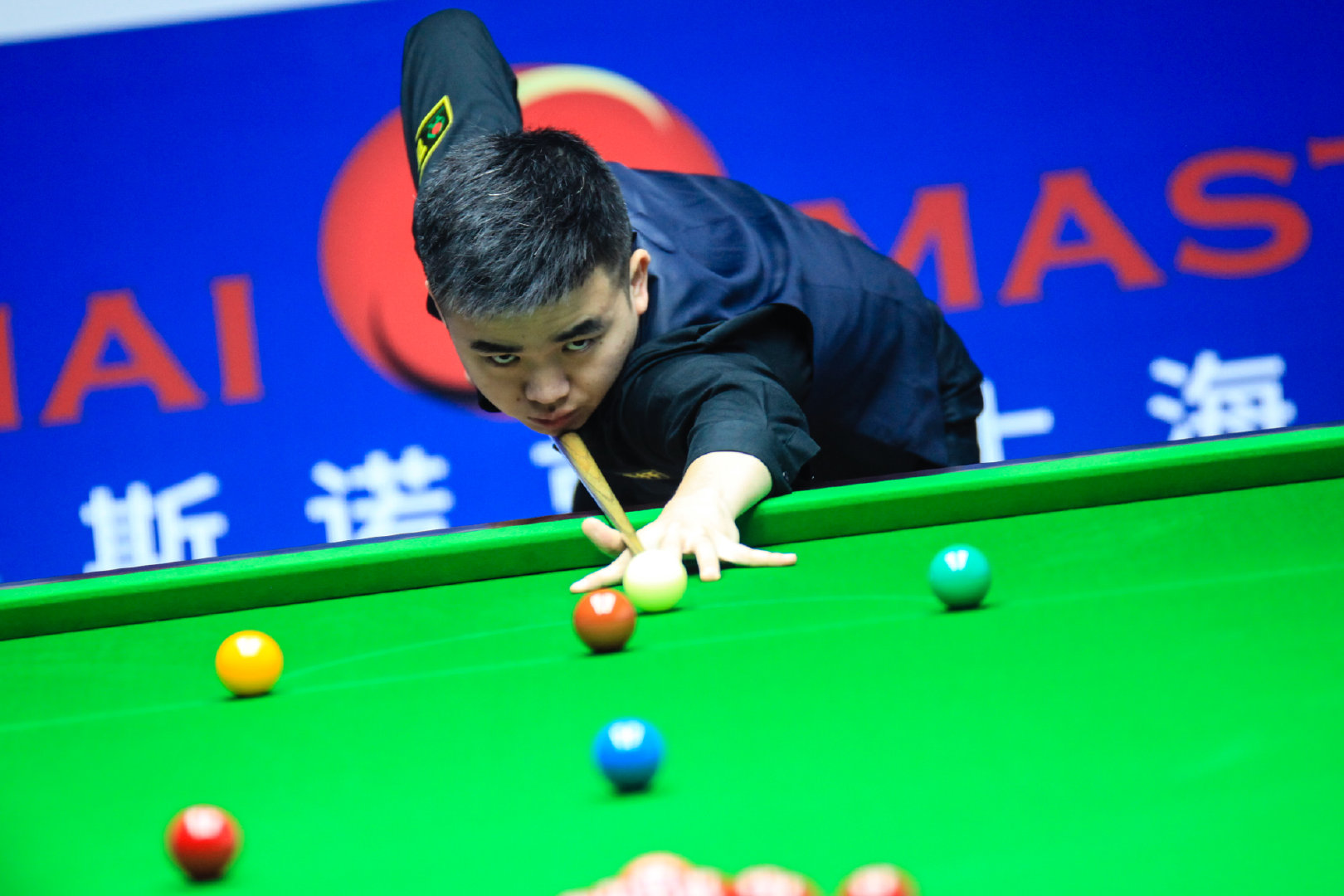
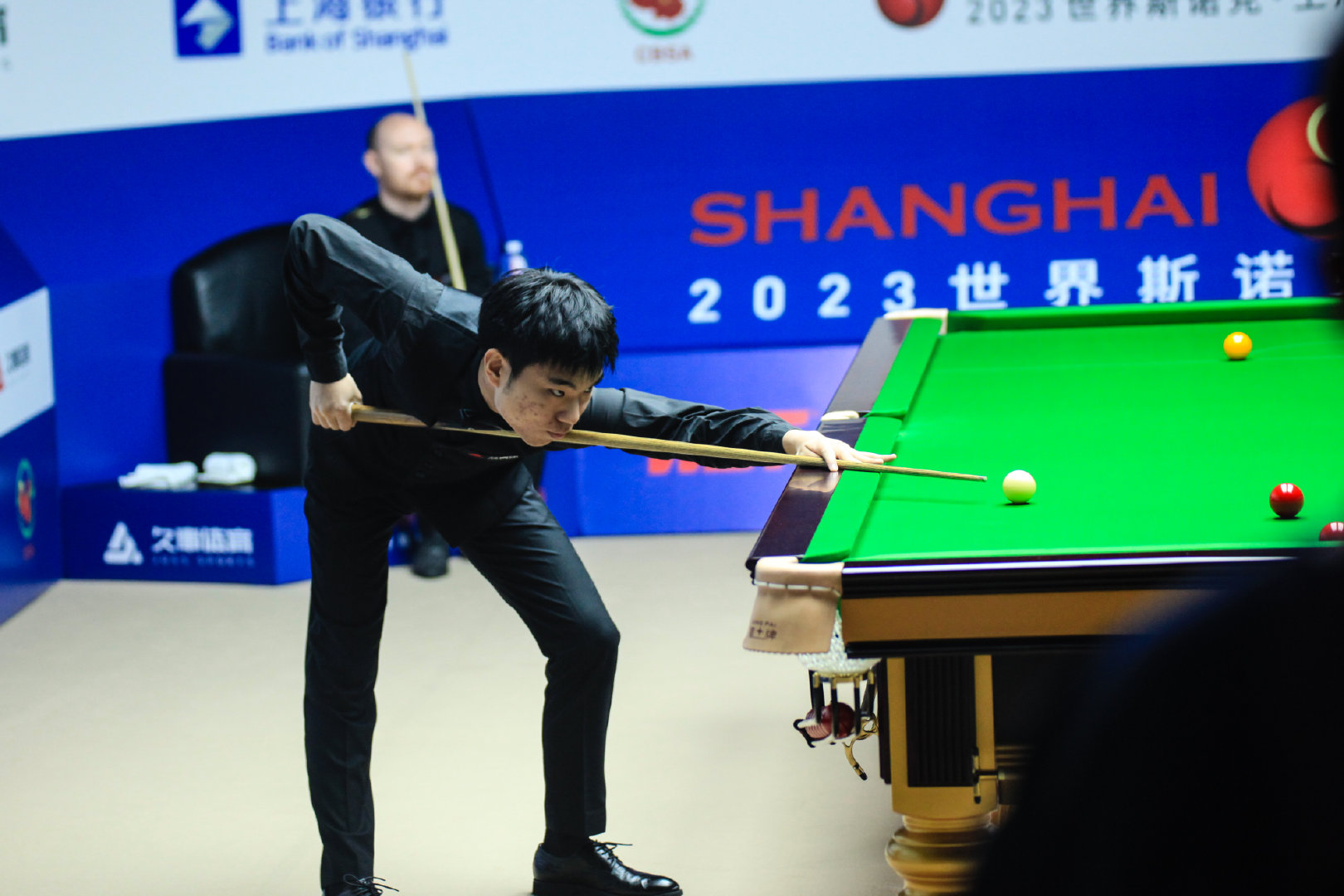

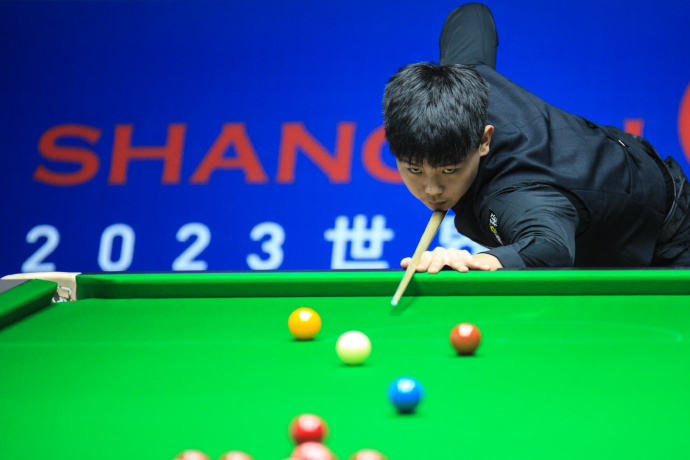
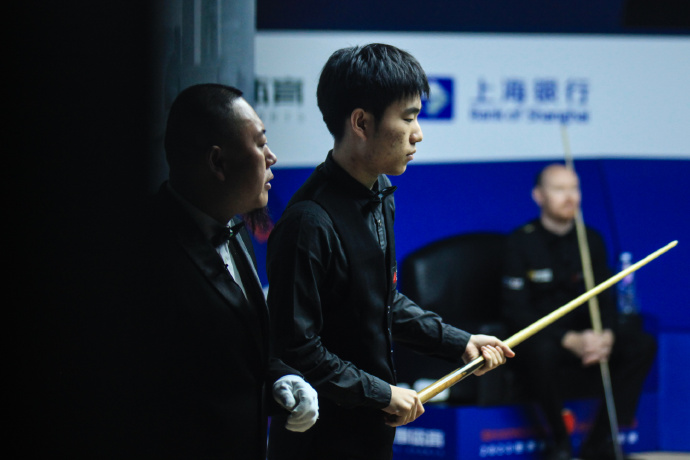
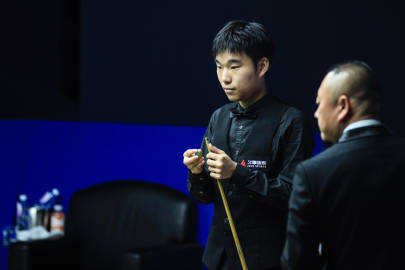
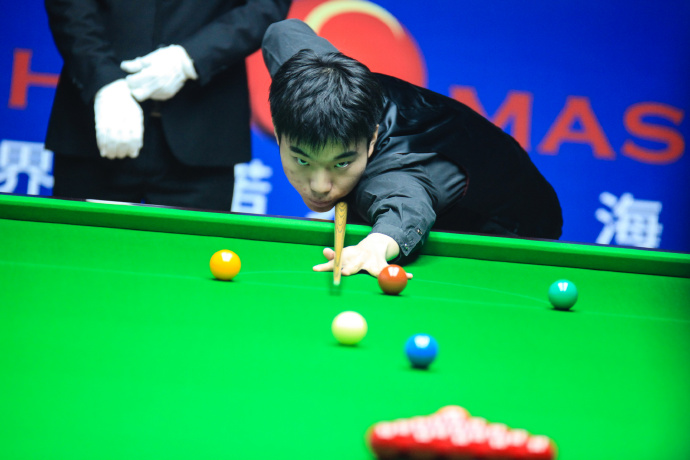
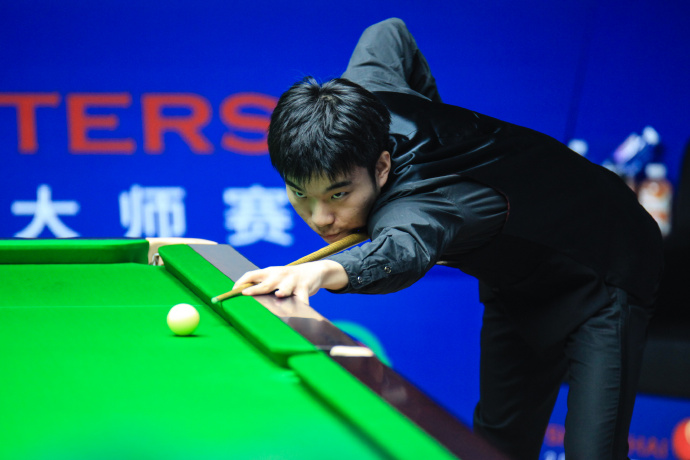

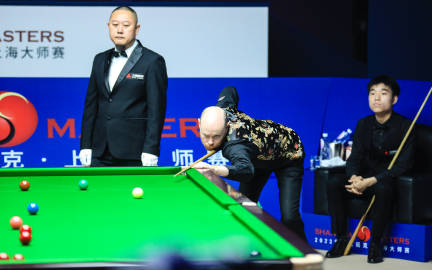
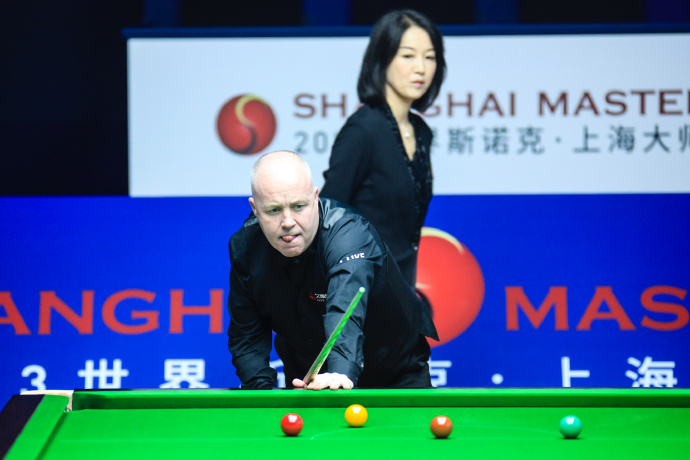






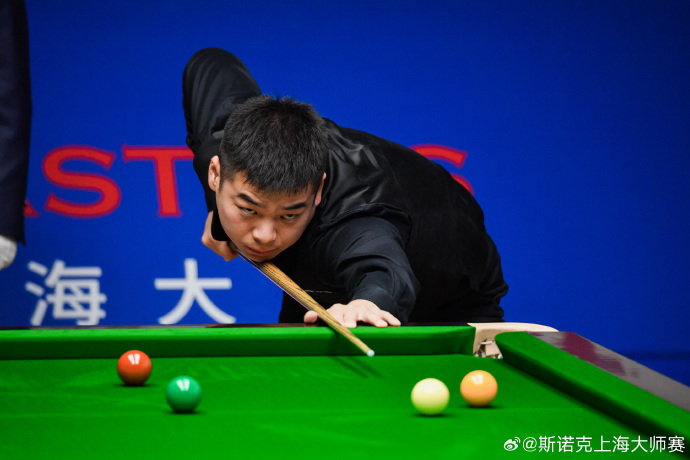
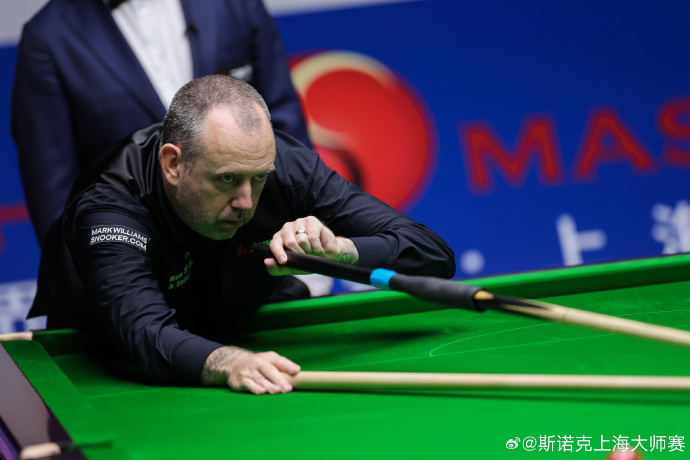
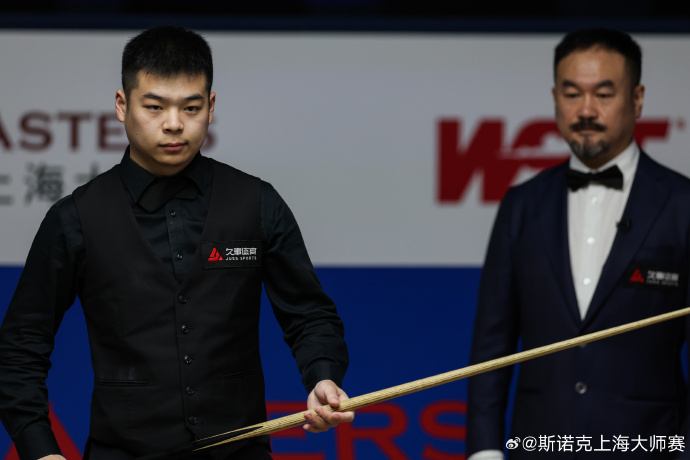
 Ronnie O'Sullivan
I’m happy the spectators got a full refund, because reports said they pulled the Lisowski-match for some opening ceremony and it would have been truly upsetting had I been in the stalls.
I didn’t see Bai Yulu’s match and I’m happy about it. Yes, there’s a big gap with top players, also with mediocre players unfortunately and the women’s tournament won’t help, just as Russia did not, obviously and my disappointment is alive and well.
Csilla you are expecting too much of the young players. Yes, Bai is 20, and yes, she’s currently at the level expected from excellent young male prospects aged around 16. But we do not know when she started playing, and we do not know how she was perceived, if she was made to feel welcome in clubs, if she was well supported or if, instead, maybe she had to face rejection and prejudices. Every time a group photo pops up of a junior training session aimed at young kids, it strikes me how rarely we see girls in them, and if there is one, she’s usually older than the other kids. A lot of current and past stars in snooker were introduced to the game and supported by their father or another male member of their family. How many fathers would think about bringing their daughters to the snooker? No many I guess,x and I know the problems Mark Jones faced when he did just that for his daughter Hannah. BTW, Hannah who eventually gave up on her passion, has decided to enter the next Women Snooker event. She’s probably not as good as she once was: she hasn’t played competitively for years, being now a married woman, a mother of two and with a job as well but good luck Hannah!
Maybe you are right. It is not just Bai Yulu, but also the recent matches by Mink and Baipat (especially the latter with so much hope). I totally take your point on the difficulties of young girls picking up snooker and frankly I have no expectation regarding the European women. But these Asian ones are so ambitious and I really hoped they can show if women and men can play this game as equal. and it seems that so far they have proven those right who say that a male will always be better than a female and women should stick to their own “tour”. I find it sad. Also find it sad that WST finds it something to celebrate that a woman made a 75-break.
Of course, over many years Ding-bashing has become a hobby of many commentators. The problem Ding has is that he’s no longer prepared to play in all the UK events, but then feels overwhelming expectations when playing in China. He’s a bit trapped between the two extremes. The same thing might happen to Si Jiahui in 10 years – it’s a systemic thing. But it was obviously going to be very difficult for Si to play against Ding in Shanghai.
There was only one upset: Fan Zhengyi’s win over Gary Wilson, who looked ragged and didn’t even know the match was best-of-11. Zhou Yuelong had a 4-1 lead, but let it slip. He was a bit unlucky in the decider, but it always looked likely he would find a way to lose that match – he’s playing without any confidence.
The 4 wildcards were predictably outclassed, although bizarrely the one who won the most frames was the ‘no-hoper’ Dong Zihao. That was probably because Ali Carter was less ruthless than the other top seeds. This format is questionable, but it’s also true that the young Chinese players haven’t had the exposure they might have, with few opportunities to play during 2020-2022.