Ding Junhui came from 5-4 down to beat Mark Williams 6-5 in the opening round of the Johnstone’s Paint Masters, boosting his hopes of doubling his tally of titles in snooker’s biggest invitation event.
The result means that, for the first time since 2011, none of the ‘Class of 92’ of Ronnie O’Sullivan, John Higgins and Williams are in the line up for the quarter-final stages. In that year, Ding went all the way to the title, and the Chinese ace will hope that’s a good omen. The 37-year-old certainly had his fair share of good fortune today, enjoying a string of lucky moments in the closing stages of an exciting contest.
It’s the second match already this year to go to a deciding frame, and Ding finished in style by taking it in one visit. He already has a huge title under his belt this season having won the International Championship in November and can now look forward to a meeting with Judd Trump or Barry Hawkins at Alexandra Palace on Friday.
After sharing the first two frames, Williams led 41-7 in the third when he mid-cued, attempting blue to centre, and Ding punished him with 69 to go ahead. Williams responded with breaks of 57 and 70 to go 3-2 up, then Ding made 64 and 60 to edge ahead at 4-3.
A tremendous 136 total clearance, the new front-runner for the £15,000 high break prize, gave Williams frame eight. Ding looked set to go 5-4 up until he missed a straight-forward black at 66-0 in the ninth, and Williams eventually cleared from the last red to black to pinch it by a single point.
In the last two frames, Ding missed three attempts at difficult reds, but each time was lucky not to leave his opponent a clear chance. Williams twice attempted awkward reds to a centre pocket, but couldn’t find the target and Ding capitalised with breaks of 76 and 90 to reach the second round for the eighth time in all and first since 2019.
Williams turns 50 in just two months and victory today would have made him the oldest winner of a match at the Masters since a 56-year-old Eddie Charlton in 1986. The Welshman said: “Ding had a hell of a run of the ball, especially in the last two frames when he could have left me in. I lost count of the number of times he held his hand up to say ‘sorry’, it must have been ten or 11 times. Those are the fine margins. I have had plenty of run in my time, that’s the game. He still had to make two really good breaks.
“I tried my best. It’s a great venue and the reception when I came in was unbelievable. I loved it, it’s the best venue we play in and I hope I get back next year.“
Ding said: “At 5-4 down, I missed a long red and the balls went everywhere, and I thought maybe today is done. Then I saw a bit of luck, Mark didn’t have an easy one. He had to take a difficult one under pressure, and when he missed I saw my chance was there. It was the same in the last frame. My concentration and confidence was good after the interval, I didn’t think too much about winning or losing.
“I still want to be the best I have ever been. I’ve been watching videos of myself when I was young and I am trying to get that feeling back. I used to just pot the balls without thinking too much, just playing the shots very clearly. I still struggle sometimes but I am feeling better than before.“
Mark Selby hasn’t reached the semi-finals at Alexandra Palace since 2014 but on today’s evidence he is among the favourites for the Johnstone’s Paint Masters title as he romped to a 6-1 victory over Ali Carter in the opening round.
Selby looked close to his best last week at the BetVictor Championship League, notably making six centuries in a single day. And he carried that momentum into tonight as he outplayed Carter, rattling in two tons and three more breaks over 50. The Leicester cueman’s reward is a quarter-final meeting with Mark Allen or Si Jiahui on Thursday.
World number five Selby had a tremendous record at the Masters between 2008 and 2014, winning it three times and reaching two further finals. Since then it has been slim pickings in London as he has failed to go beyond the quarter-finals. Selby, winner of the British Open in September, will be quietly confident of a deep run this time as he seeks to become the only player other than Ronnie O’Sullivan and Stephen Hendry to lift the trophy for a fourth occasion.
He took the opening frame tonight with a break of 62, and added the 41-minute second by getting the better of a safety exchange on the final brown. Stepping up a gear, Selby fired breaks of 108 and 93 to lead 4-0 at the interval.
In frame five, Carter led by 62 points with four reds left when he failed to double a red to centre, and his tenacious opponent battled back and gained the snooker he required, then could have forced a respotted black but failed to pot the blue along the top cushion, allowing a relieved Carter to pull one back. But Selby regained the initiative with a 126 for 5-1, and he made an excellent 53 clearance in frame seven to settle the result.
“I felt a bit edgy at the start but winning the second frame was huge, if Ali had gone 1-1 it could have been very different,” said Selby. “I kicked on after that and felt comfortable. It’s always great playing in front of a full house here and it gives you motivation.
“My only concern was not getting in my own way and freezing, which I do sometimes. That’s something I am trying to work on. I enjoyed it and felt I was zoned in and focused. I have been there and done it in this event which will stand me in good stead if I get to the business end.“
Carter said simply: “Mark was very good and I was absolute rubbish. He strangles you and zaps you of confidence. I just wanted to get out of there in the end.“
Neither Willo nor Ding played really well. Maybe they were still a bit tired from their Tibetan adventure. The match was very eventful with all sorts happening at the table. It was certainly entertaining albeit not of the highest quality despite some big breaks from both.
In the evening, it was the complete opposite. Mark Selby delivered a master class. If he can keep that level, he will probably win the tournament. Ali had no answers and, although he continued to apply himself, it was plainly evident that he was frustrated and, after the MSI, had given up hope and didn’t want to be there.
Ronnie was in the studio in the evening and gave an update about his own state of mind. He’s OK. He explained that by Sunday he was feeling OK to play, but had not wanted to delay making his decision in order to give whoever would replace him enough time to prepare. That was the right thing to do indeed. All things considered, he looked settled and thinking clearly. It’ reassuring.
Ronnie O’Sullivan ‘lost the plot’ as he explains Masters withdrawal and gives update on future
Ronnie O’Sullivan withdrew from the Masters on the eve of the tournament with snooker fans and his fellow pros concerned about the seven-time world champion
Image PA
Ronnie O’Sullivan has explained his decision to withdraw from the Masters – and insists he WILL be back on the baize.
Snooker icon O’Sullivan was due to defend his title at Alexandra Palace with his first-round match against John Higgins slated to get the tournament underway on Sunday. But he unexpectedly pulled out after snapping his cue following a defeat by Robert Milkins in the Championship League on Thursday.
O’Sullivan has had well-documented mental health issues in the past, and there were concerns for his wellbeing from fans and fellow pros alike. But the seven-time world champion insists he is OK and will return to the sport.
“I’m alright, not too bad,” he said while working for Eurosport on Monday evening. “It was a nightmare decision really to make, if you’d have asked me Sunday if I was ready to play I’d probably have been ok to play. But it’s such a massive tournament.
“I’d been on a three-week trip away playing and I just think I exhausted myself, a lot of pressure while I was away. The build-up of all that just got a bit too much really.
“I lost the plot on Thursday, snapped my cue, so that’s unplayable, so I knew at that moment in time the right decision was to not play and such a big tournament that I thought whoever was to come in should have had at least a couple of days notice.”
Neil Robertson was the man to take O’Sullivan’s place, and he staged a miraculous comeback from 5-1 down to pip Higgins 6-5 and advance to the quarter-finals.
I just knew at that moment in time, the right decision was to not play” .
On his cue, the Rocket added: “It was in the bin, one of them wheelie bins, but my mate said we can’t leave that here, so he got it out and brought it with us.”I’ve got a couple of other cues that I can start practicing with because there’s some tournaments coming up. I’m going to continue to play so I need to get used to the cue now.”
In words O’Sullivan fans will be relieved to hear, the 49-year-old even talked of a return to Ally Pally next year and still harbours aspirations of lifting a ninth Masters title.
“This is an unbelievable tournament, top 16, best players in the world, amazing crowd, I’ve won this tournament many times, been in 14 finals,” he said. “I’d love to come here and play again and hopefully be lucky enough to win the trophy again, that would be great.
After the evening match, in the studio, Mark and Ronnie had a very interesting and honest discussion about mental health
In the news there is also suggestion that Ronnie “faces” a lawsuit … This is misleading as I explained in this previous post.
When snooker’s greatest ever player eventually decides to put his cue away for good, his legacy will not just be his record number of titles and his unique relationship with fans worldwide, but also his willingness to pass on his knowledge and experience to younger players.
In recent years, Ronnie O’Sullivan has been generous with his time and willingness to offer advice to players who have asked him to help fulfill their talent.
Judd Trump benefited from O’Sullivan’s influence when they worked together in Romford during the early years of the younger man’s career. During their emotional embrace at the end of the 2022 World Championship final, Trump told the newly-crowned seven-time Crucible king: “Thank you for letting me practise with you. You took your time out for me and I really appreciate that. You’ve always taken care of me. The dedication, everything that you’ve put in, you deserve everything.”
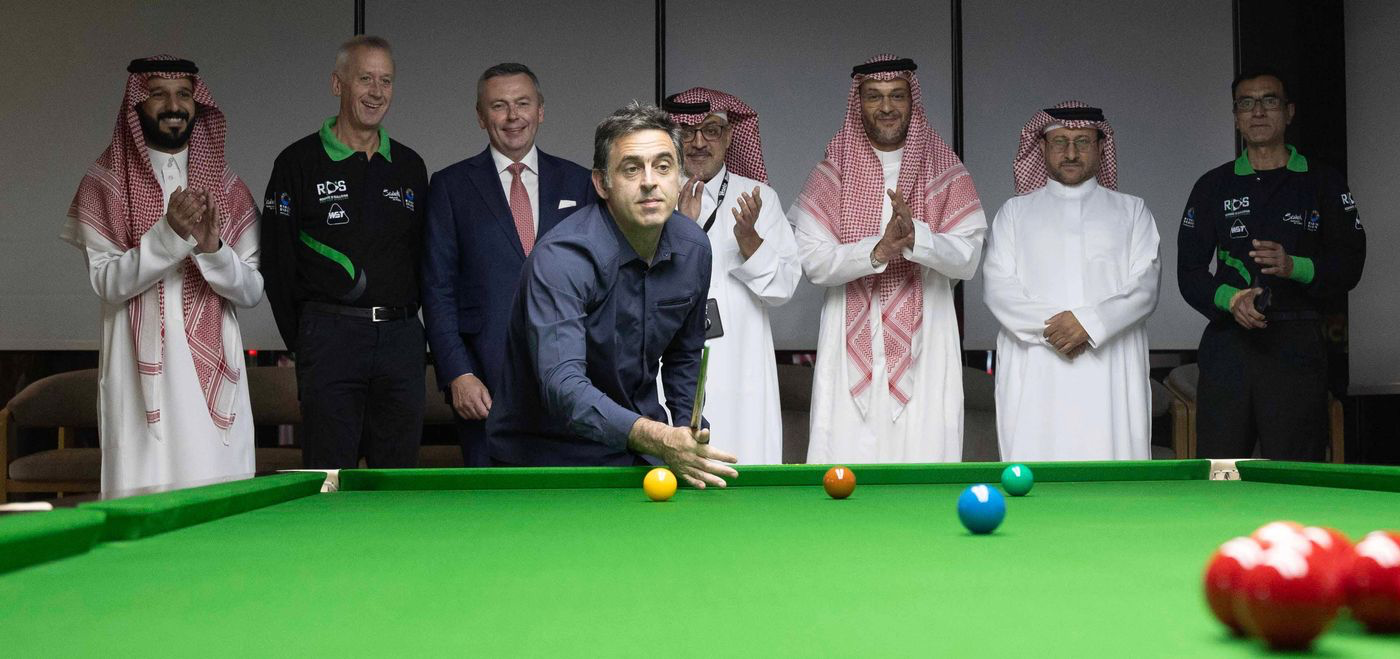
In October this year, O’Sullivan was in Riyadh to open the new Ronnie O’Sullivan Snooker Academy, where he will play a role in nurturing the best young talent from Saudi Arabia. Ahead of that launch, we asked the 49-year-old about his coaching philosophy and his lifelong emphasis on hard work.
Ronnie, how exciting is it to be involved with the new academy in Riyadh?
It’s great to be part of it and to see what the development is like, and to help nurture the talent. Nigel Bond will be the head coach and he is perfect for that job. It won’t be easy for the local players to get to the standard of tour players, but if someone has the talent and the willingness then it can be done. Academies are so important in any sport, you can see that in Kenya for running, the USA for golf and tennis or football in France where the likes of Thierry Henry and Kylian Mbappe came through. It’s about being in the right environment with access to the best coaching as well as advice and nutrition.
How important is it for young snooker players to be coached from an early age?
Some players are blessed, like John Higgins. From the minute they pick up the cue, they are natural. Others need guidance. I don’t believe in over-coaching, because instinct is important. You have to allow a player to grow his own game and let his personality come through. But you do need someone to keep you on the right track.
How much coaching did you have when you started playing?
I didn’t have a coach but I watched a lot of Steve Davis videos and you can learn a lot from that. Not everyone can be a Jimmy White or Stephen Hendry, but anyone can be like Davis, John Higgins or me. If you can learn good fundamentals and get them right, you can become very consistent because it’s a repetitive sport. You can’t follow anyone better than Davis, no one comes anyone near him for doing all the right things. He didn’t coach me personally, but I watched everything he did. His tempo, the way he hit the ball, the way he played safe, his ability to keep still on every shot…he was incredible.
During your career you have often worked with coaches, notably Frank Adamson and Ray Reardon. Have you always wanted to learn more?
Everyone in every sport has to learn. People say I’m gifted, but I wasn’t the most gifted junior or amateur. I always had to work hard at my game. I was never a good safety player or potter, or not as good as some of the others who were playing at the time. I was always good at scoring, that was my thing. But I had to learn the other stuff. I didn’t have a good temperament, I still don’t deal with bad spells that well.
When you said you don’t believe in over coaching, do you mean that you have to give a player space to make the most of natural flair?
Yes. As a junior I saw very natural payers going to certain coaches and then become stiff and methodical, losing the ability to play at a high pace. Steady, slow and methodical doesn’t often get you anywhere. It might win you a few matches, but if you want to be a real winner you have to play at speed, in any sport. You have to be clinical, but speed is a big weapon. You can’t over-think this game. To play as quickly as you can without being careless is the goal.
In the latter part of your career, you’ve been generous with younger players and willing to give advice. Do you enjoy helping them?
If someone asks you for help it’s hard to say no. Victoria, who runs one of the academies in Sheffield, is passionate about her players and wanted them to do well. She asked me, and I always want to help if I can. I don’t see at as giving secrets away because there is no secret really, it’s just hard work and determination. It’s nice to try to pass on knowledge in any sport. In athletics, the Kenyan runners don’t keep it to themselves, they see sharing as a good thing.
Judd Trump is one such player you helped. When you first saw him play, did you see something of yourself in him?
He has amazing talent, he didn’t need to learn from me. But being in that environment when we practised at the same club in Romford helped him because he saw how hard I worked. A lot of people think it’s just talent, but if you ask players who have spent time with me, they are surprised at how dedicated I am and how seriously I take practice. When I was young I saw Stephen Hendry practise and realised he was the hardest worker on the tour. It’s true in any sport. That’s why they are the best, because they are willing to put the work in.
How much satisfaction does it give you when you see an improvement in a player you have given guidance to?
There was a player who is super talented and he’d had some success. He asked if I could help him. I had watched a few of his games and had the feeling that something wasn’t quite right but I couldn’t put my finger on it. We got on the practice table and I showed him a few things and he said he understood it. It was nice to see him develop as a player, that was a good feeling.
In your book Unbreakable you describe your obsession with practice and the technical side of the game. Have you always had that fascination?
I never used to as a kid, that was my biggest downfall, it held me back and made my career tougher than it needed to be. I got into bad habits when I was 16 or 17 and it got worse and worse That’s why I had to go and see Frank Adamson. I knew I wasn’t going to win the World Championship, I was good one day, terrible next, when in this game you need consistency. Frank had to deconstruct my game, take it apart. Within the first year I managed to win the world title – not by playing better, but just by being a bit more consistent.
So much for those who say Ronnie doesn’t care about his sport and its future. He’s not Mr Perfect. He has his ups and downs, violent mood swings that, at times, are difficult to cope with. But over the last 32 years and a half, he has given plenty to the sport, countless magical moments and even more talking points. He’s kept snooker in the news. It was not always for the good reasons but nothing is worse for a sport than to be “invisible”. And he has been giving to his sport away from the spotlights as well. He’s been helping other players, talented youth he certainly knew could become dangerous rivals. Judd Trump is the prime example.
Yes, he has set limits. Yes, he has done it his own way … but if you are in his position and you try to please everyone you will soon find it impossible and overwhelming. So many people want a piece of him at events, and even away from events … sponsors, media, aspiring players, fans … you name it.
It’s nice to see WST giving recognition to that side of him.
Ronnie O’Sullivan reveals new goal after rediscovering snooker enjoyment
Phil Haigh
Ronnie O’Sullivan hopes to keep playing for another 10 years as he says he is enjoying snooker more now than he ever has as a professional.
It has not been a great season so far in terms of results for the Rocket, without a final appearance yet and he has just suffered back-to-back first round exits at the Champion of Champions and UK Championship.
The 49-year-old is still number three in the world rankings after winning two big ranking events last season, so it is not disastrous and he says he has rediscovered some enjoyment in his game over the last few weeks.
Despite winning five tournaments in total last season, O’Sullivan cut a frustrated figure, dissatisfied with how he was playing.
Since working with coach Lee Walker he now feels like he is returning towards his best form and, although the results have not come yet, he is confident they will.
‘The last time I enjoyed playing snooker like I have done the last couple of months was when I was 14,’ said O’Sullivan. ‘I’m actually loving playing.
‘It’s quite weird, I played awful last year and pretty terrible at the start of the year, but I’ve won five tournaments last year, but just not enjoyed playing. Then I took a couple of months off, figured out a couple of things about the game and really enjoying it, loving the game.
‘The last three tournaments I’ve played pretty well, maybe just a little bit too open. I’ve realised that and I’ve worked the last few weeks on trying to tighten up a little bit, trying not to leave so many easy chances.’
Asked how he rated his game in recent times, the seven-time world champion reckoned he had really hit a low.
‘The start of this season and the whole of last season I would say it’s probably about 4 [out of 10]. Really bad. 3? Probably as bad as its ever been.
‘But I played what I felt wasn’t great and won five tournaments. Then I start to play great and can’t win a match. Maybe I’m better off playing terrible if I want to get results.
‘To be honest I always play the long game. My game’s in good shape. As long as I apply myself, little bit of run of the ball, a couple of opponents don’t play so well against you, get on a run, win the tournament, then before you know it you’re back in a good spot.
‘I never panic, I never worry. I’m not really bothered either. If I was bothered I might be worried. I’m not bothered, I know I’m on the back end of my career so it’s less important now. I’m just enjoying it.’
O’Sullivan has flirted with retirement for years, but he says it is now a long way from his mind and intends to keep playing for another decade.
O’Sullivan expects to get on a run again soon (Picture: Getty Images)
Still the sport’s biggest attraction and with business interests and opportunities in Asia and the Middle East, O’Sullivan doesn’t want to see his star power wane.
‘I’ve set a new goal. If I can just stay on the tour – even if I fell off the tour they’d probably give me a wildcard – but I’m enjoying everything about snooker.
‘I just said to Lee Walker, who I’ve been working with, just keep me going for 10 years, keep me enjoying it for 10 years. If I can enjoy it and not get many results I’ll take that, because I’ve had a lot of good results over my career.
‘I don’t have anything to prove, but I definitely don’t want to miss out on the next 10 years because things are quite exciting for me off the table more than it is on the table.
‘It’s a good combination I’ve got at the moment. I still like getting my cue out, people still like to see me play and I still like to think I can put in some good performances, but who knows? Maybe I won’t.’
I suppose that’s the article Mark saw a few days ago. It’s a nice change from the depressed doom and gloom that so often engulfed him. Long may it last. It’s not what us, fans want to see, but we have to be realistic. He’s in his 50th year, he’s given us a lot to enjoy for over 30 years. He deserves “me time”, we shouldn’t be greedy 💖.
Ronnie O’Sullivan ‘can’t be bothered’ playing UK snooker events
By Tom Parsons
Ronnie O’Sullivan has spoken out on his lack of desire to play at some snooker events.
Ronnie O’Sullivan has admitted he ‘can’t be bothered’ to attend some UK snooker events (Image: GETTY)
Ronnie O’Sullivan has admitted he “can’t be bothered” to travel long distances to play at some UK snooker events and has conceded that he would prefer to stay at home instead.
The 49-year-old pulled out of the Scottish Open in Edinburgh earlier this month before travelling to Saudi Arabia to compete in the Riyadh Season Snooker Championship.
The Rocket thrashed Ding Junhui 4-0 in his opening match in the Middle East as he took just 49 minutes to complete the rout.
But he missed out on the opportunity to land the £250,000 winning prize pot after being dispatched by eventual champion Mark Allen in the semi-finals.
O’Sullivan has been critical of a number of the UK venues he has had to visit in the past, with some snooker tournaments taking place at leisure centres across the country.
And the seven-time world champion said: “I’m not being harsh, it’s really difficult when you go to a leisure centre.
“You’ve got 50 to 100 people all standing outside. You’ve got to get through that, play a best of seven frames. Then you’re not sure when you’re going to be on. They say you could be on at 8.30pm but you get on at 11pm.
Ronnie O’Sullivan was dumped out of the Riyadh Season Snooker Championship by Mark Allen in the week (Image: GETTY)
“It’s a nine-hour journey from my house [in Essex] to Edinburgh. You weigh it all up and think you can’t be bothered. Ten to 15 years ago I’d probably have been fine, but I can’t play every tournament or every week.”
O’Sullivan then admitted he will limit his appearances at tournaments as he added: “I’ll try and play a minimum of 10 and I’ll pick the best 10 to play in.
“After that, if I feel like I need to play in a few more I will. I still want to play snooker but I want to spend time at home as well.
“I enjoy practising at home, going down the club, spending time with friends. I love being on the road as well. But it’s about getting that practice.
“In Saudi Arabia, the events we’ve had there, it’s been brilliant. Food, dressing rooms, shower rooms, loads of practice tables, courtesy cards, it was amazing. Same in China. With these tournaments they have 8 to 10 practice tables.
“Some of the events in the UK, there are 3 to 4 practice tables in a leisure centre, it’s not the easiest. They have bigger budgets in China and Saudi Arabia. Maybe in the UK not so much. They do the best they can with what they’ve got. It is what it is.”
I think it’s a normal evolution in life. As we are getting older, we want, and need, more comfort, more “me time”. Ronnie, more than any other player faces huge demands from the fans wherever he goes. I have witnessed him getting out of the Crucible, very downbeat and disappointed after losing and being met by dozens of fans wanting him to stop for a chat or an autograph. That’s not right. Those players have feelings, usually right after a defeat they only want one thing: they want left alone. For young players all this is new and exciting. For many older players, snooker is a mainly job and if they are not able to do it in a good environment – good conditions and respect of their privacy – it often becomes a burden.
The snooker community is in mourning as, today, Clive Everton has left the scene …
Here is the obituary written by David Hendon, and shared by WST
COMMENTARY LEGEND CLIVE EVERTON PASSES AWAY
Clive Everton, one of snooker’s greatest ever commentators and voice of the sport, has died at the age of 87.
Everton devoted his life to snooker and covered some of the sport’s most historic moments as a broadcaster and journalist.
Commentator David Hendon was a protege of Everton and a close friend. Here is his obituary for a snooker legend.
Clive Everton deserves to be remembered as one of the most significant figures in snooker history.
He reached a highest world ranking of 47th but it was off the table where he made a vast and varied contribution, primarily as a broadcaster and journalist but also as the trusted conscience of the sport.
As editor of Snooker Scene for 51 years he provided an invaluable chronicle of snooker’s rise from folk sport to a mainstream television attraction, charting the careers of players from boyhood to stardom. He forensically examined the governance of the professional game and campaigned for change and transparency.
Clive was also passionate about billiards, the game in which he particularly excelled, and he worked tirelessly to promote it and help it survive.
In his book, Black Farce and Cue Ball Wizards, Clive explained how this love affair began: “My emotional commitment to the game dated back to boyhood and one rainy London afternoon when my father and I settled into the plush fauteuils of Leicester Square Hall, which was then the 220-seat home of the professional game. From the first click of the balls, I was entranced.”
Clive won the 1952 British under 16 billiards title but the reputation of cue sports was such that his achievement received little recognition.
He wrote: “Far from making me any kind of hero at school – King’s, Worcester – this success made me more of an outsider and nurtured, in turn, my anti-establishment instincts. My headmaster, F. R. Kittermaster, an Old Rugbeian from the Thomas Arnold tradition, wrote in Sport and Society that only sports with an element of physical danger like rugby, cricket or hockey, were ‘character building.’ He was fond of insisting: ‘You came here to be made into gentlemen.’ Proficiency at billiards, the classic sign of a misspent youth, did not fit into his definition.”
This did not deter Clive, whose attitude to authority was always one of scepticism. He went on to win the British under 19 billiards championship and at age 22 the first of four Welsh amateur billiards titles. He reached the final of the English amateur championship on five occasions.
He was also talented at tennis, competing for the Worcestershire county team and entering qualifying for Wimbledon.
A BA Hons English graduate of Cardiff University, he moved to the Midlands after marrying Valerie, whose father arranged a teaching job at a college of further education in Halesowen. Clive taught English and Liberal Studies but journalism was what he wanted to do.
He was helped by Rex Williams, with whom he would practise and who negotiated columns in the Wolverhampton Express and Star and its sporting ‘pink’ published on Saturdays.
Clive also picked up some freelance work as a tennis and hockey writer and after a year in post gave up his teaching job to pursue journalism: “What it amounted to was that I loved sport and wanted to spend my life in it.”
Enterprising and ambitious, Clive was determined to succeed but also to push the cause of snooker and billiards. In 1966, he was appointed editor of Billiards and Snooker, the magazine of the Billiard Association and Control Council. Still a young man and an independent thinker, his ideas did not always meet with approval from the powers that be and in January 1971 he began his own magazine. Originally titled World Snooker, the following year it became Snooker Scene.
The ethos behind the magazine was to provide a first draft of history by recording every available result. Detailed match reports informed readers as to the ebb and flow of contests, especially valuable in the age before television became heavily involved. Players would also advertise for exhibitions.
In addition, Clive did not stint from providing his analysis of the decisions being made by those charged with running the sport. His intention was that Snooker Scene would incorporate the best parts of Wisden and Private Eye.
Covering a range of sports, including football and rugby, he set up Everton’s News Agency, which supplied reports to newspapers and radio stations. Jim Rosenthal, who later became one of ITV’s best known broadcasters, was an early employee. Clive was a regular hockey reporter and even set up Hockey Scene, a monthly magazine modelled on its snooker equivalent.
Gradually, though, snooker’s popularity was such that Clive poured all of his energies into evangelising for it and billiards.
He took over the running of the British Junior Championship after it had lapsed and played a key role in the founding of the International Billiards and Snooker Federation.
Clive travelled to London in 1968 to interview the squash player, Jonah Barrington, and departed as his manager. Through this venture he got to know Peter West and Patrick Nally, who ran a consultancy specialising in the relatively new world of sports sponsorship. West Nally advised Gallaher, the parent group of Benson and Hedges, and Clive suggested a snooker tournament as a fit for their brand. The B&H Masters was launched in 1975 and has long been regarded as one of the sport’s major events.
Clive won the 1977 National Pairs title with Roger Bales and turned professional at snooker in 1981 but by this time was past his best. He had an exaggerated playing style, twisting himself into each shot following major back surgery. He beat a young John Parrott and former UK champion Patsy Fagan before retiring in 1991.
He fared better at billiards, winning the 1980 Canadian Open, of which he wrote: “In a field of variable quality, I beat Long John Baldrey’s pianist in the first round and Steve Davis in the final.”
Clive reached the quarter-finals of the World Billiards Championship three times and achieved a highest ranking of ninth. He kept a table at home where he would spend many happy hours playing the game he loved.
Clive’s mastery of the English language and encyclopaedic knowledge of snooker made him a natural choice for commentary when the sport established a foothold on television. He auditioned for the BBC in 1963 and was told he had done well but heard nothing more. In the mid-1970s he undertook a commentary test for executives from Thames TV, held at Stoke Poges golf club which housed a snooker table.
The executives enjoyed a boozy lunch – Clive abstained – and repaired to the snooker room to play a frame over which he was expected to commentate. The standard was predictably appalling but Clive passed the audition and was engaged by various ITV regional companies to commentate on events before his life changed on the opening day of the 1978 World Championship. Arriving at the Crucible, he was asked by Nick Hunter, the BBC executive producer, if he would be interested in doing some commentary. Confirming he would, Clive was told his first match would be starting in 20 minutes time.
It was an encounter between Willie Thorne and Eddie Charlton. With typical sardonic humour, Clive described it as a time when “Willie had yet to lose his hair and Eddie had yet to acquire more.”
He quickly became a mainstay of the BBC team, the third lead commentator behind Ted Lowe and Jack Karnehm. After Karnehm retired in 1994 and Lowe in 1996, Clive became widely known as the ‘Voice of Snooker’ and was behind the mic for many memorable moments.
His commentaries were notable for his crisp, spare, pinpoint use of language, with not a word wasted. He only spoke when necessary. When he did, it was worth hearing.
“Warning: genius at work,” was how he once summed up a Jimmy White century.
“Ray Reardon six times world champion in the 70s, Steve Davis six times in the 80s, but it’s a magnificent seven times for Stephen Hendry in the 90s,” he said as Hendry triumphed in 1999.
“Amazing, astonishing, astounding,” was his summation of Shaun Murphy’s shock capture of the 2005 world title.
Clive was aware of the need for journalistic distance in commentary, using surnames when describing the players to avoid any suggestion of bias. He was friendly with players but not one for socialising. You would not see him in the hotel bar at night.
When not in the commentary box he would be found in the media centre, writing daily reports for the Guardian newspaper and updating listeners on BBC Radio 5 Live. At the weekend he wrote first for the Sunday Times and later the Independent on Sunday.
Over the course of his career he wrote close to 30 books about snooker and billiards, whether technical, historical or biographical.
Snooker Scene remained his great passion and an outlet in which he scrutinised the administration of the game, often leading to serious disagreements with the authorities. Clive himself briefly served on the WPBSA board but understood the conflict of interest involved. Instead, he was often a thorn in the side of various chairmen, board members and executives.
As a campaigning journalist, he was at times obsessed with snooker politics as the change he desired time and again failed to materialise. He could suffer depressive episodes and found it almost impossible to switch off from work.
His battles with those in power led to various legal threats but he stood his ground and was eventually delighted by the arrival of Barry Hearn at the WST chairmanship in 2010, ushering in an era of change and growth.
Clive loved absurdist humour. He would not want his own obituary to be entirely serious.
Fortunately, there were lighter moments, most notably at the Grand Prix in Preston in 1998 when he toppled backwards off his chair while in the box. Attempting to halt the inevitable fall, he grabbed the tie of his co-commentator, Dennis Taylor, almost strangling the 1985 world champion.
A cultured man, he once wrote a novel based in the tennis world. Handwritten on several hundred sides of A4, he intended to take the first draft to the office for revisions but, on putting the stack of paper on the roof of his car while he unlocked the door, a gust of wind scattered the pages far and wide and the project was abandoned.
By his own admission, he was hopeless with technology. For many years, he did not own a computer, preferring to hand write his reports and dictate them down the phone to newspaper copytakers. When they were phased out, he was forced to buy a laptop and had to be given several lessons in how to send an email.
Clive made no secret of his disappointment at being phased out of the BBC commentary team but continued on Sky Sports in their coverage of the Premier League and headed the ITV team when they returned to the snooker fold in 2013. He remained there until the Covid pandemic of 2020, when his age meant his was unable to travel to events with their strict protocols.
He was by now in his 80s and diagnosed with Parkinson’s, a condition which took a physical toll and left him unable to write by hand. It forced him to relinquish the editorship of Snooker Scene in 2022 after 51 years at the helm, something he struggled to accept.
However, his interest in the sport did not diminish. He still contributed articles to the magazine and watched tournaments from home, as fascinated by snooker as he was as a youth.
Proudly anti-establishment, his achievements were nevertheless in time recognised by those in authority. He was inducted into the WST Hall of Fame in 2017 and in 2019 was awarded an MBE for his services to the sport. In 2022, The British Open trophy was named in his honour.
These were fitting accolades for someone who had contributed so much to snooker’s own success story. He was respected by colleagues in the media, players and snooker fans as an authoritative figure and huge source of anecdotes spanning the sport’s long history. He had known every world champion since the first, Joe Davis, and his work was a celebration of their collective efforts.
Clive Everton devoted his life to snooker and billiards and was perhaps the greatest friend these sports have ever had.
We have lost something special with his passing but have gained so much more from his many decades of loyal service.
Thank you David for this great piece.
This news saddens me deeply. I had the privilege to meet Clive on many occasions during the six years I was taking pictures on the main tour. He was a giant of a man, physically, spiritually and journalistically.
Farewell Clive … I hope they have a nice billiard table and a working typewriter up there … snooker will miss you, I will miss you. 💔
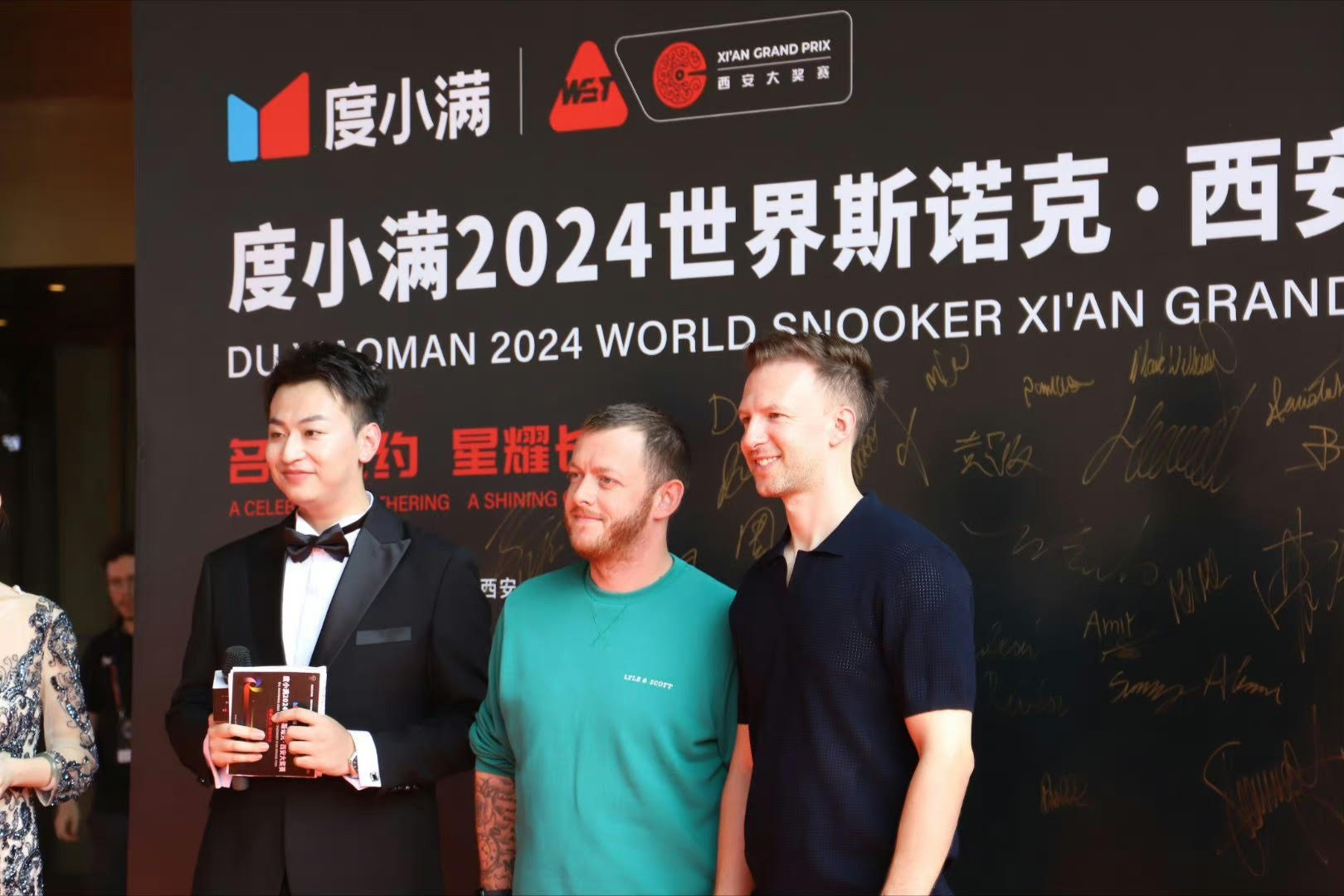
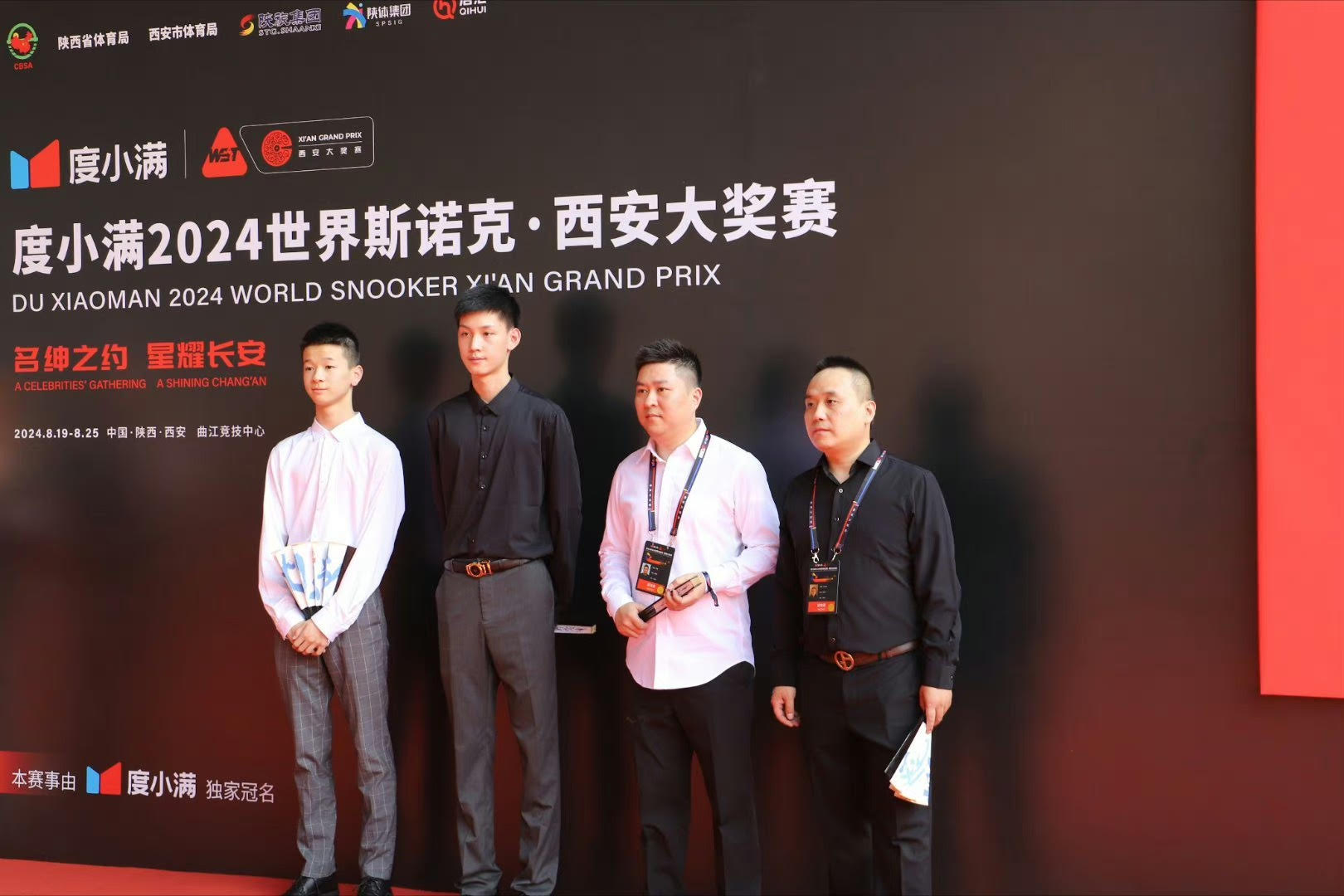
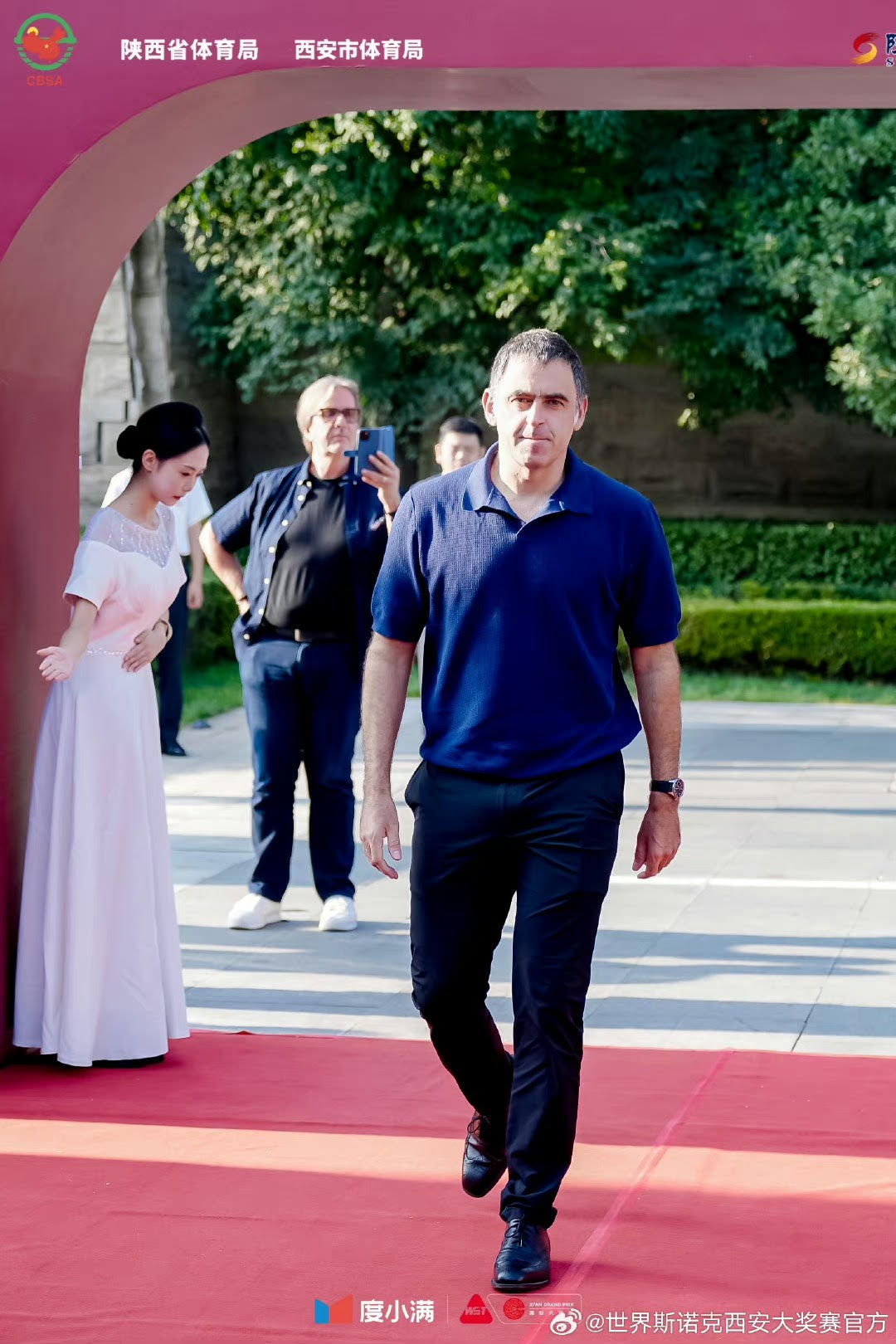
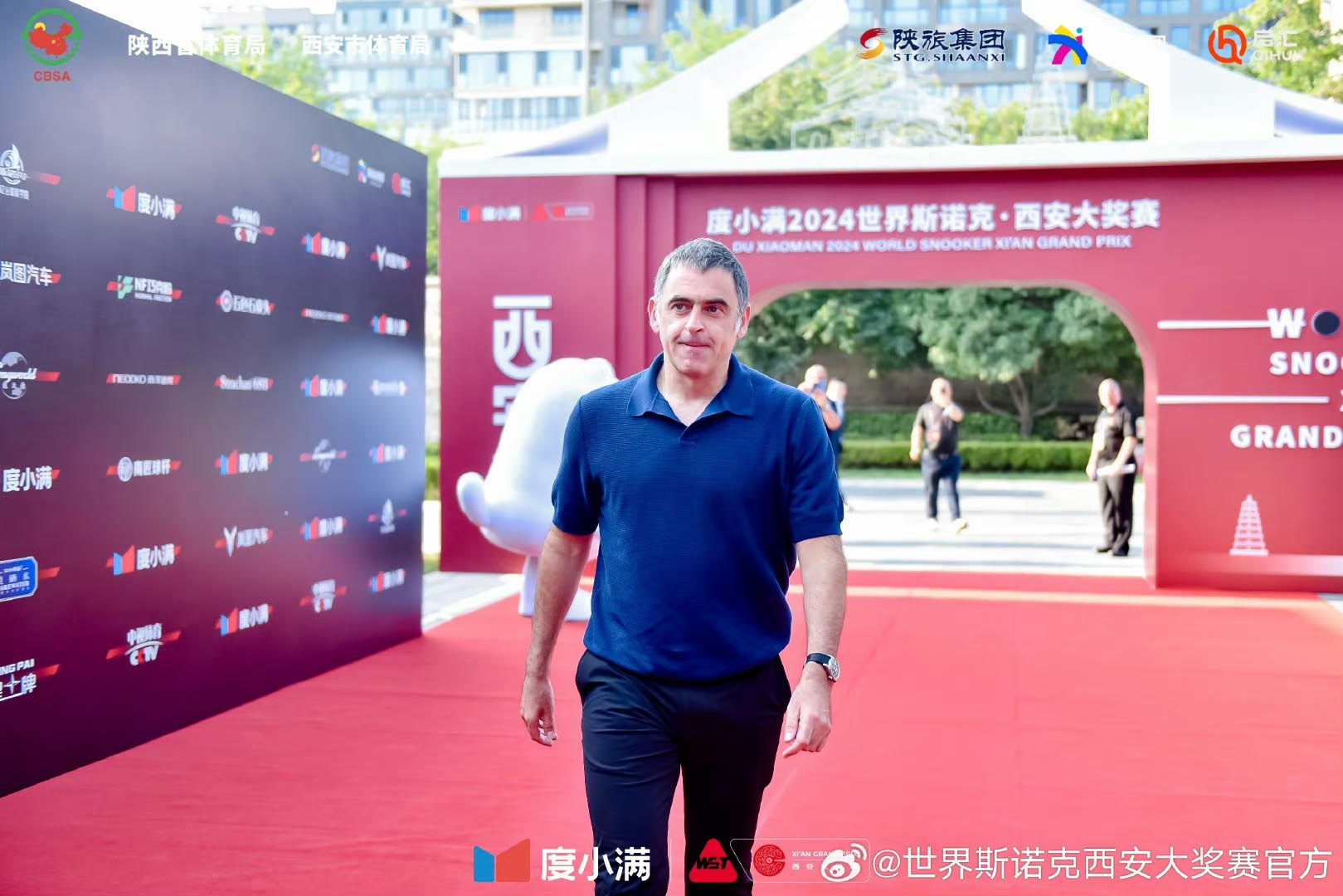
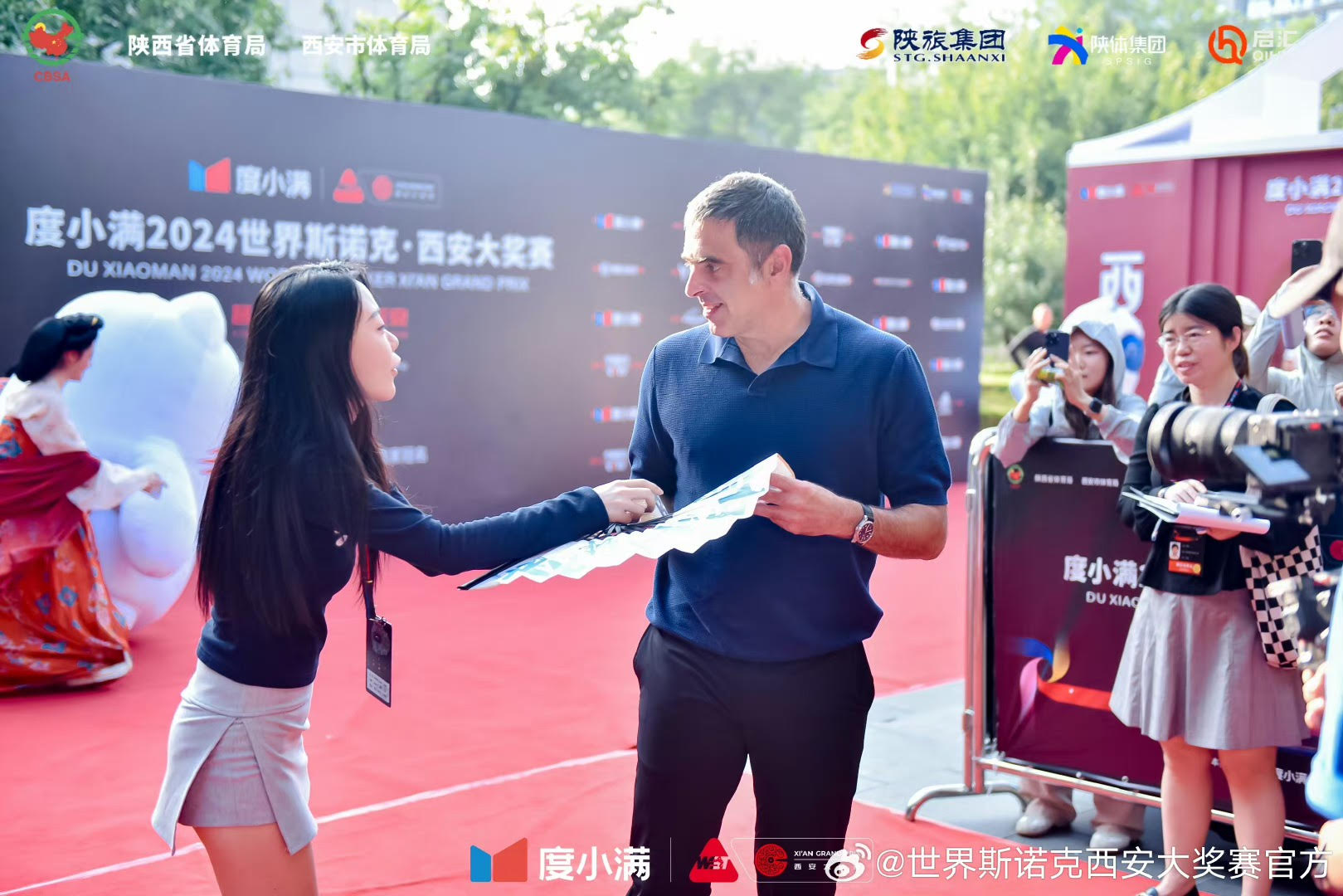
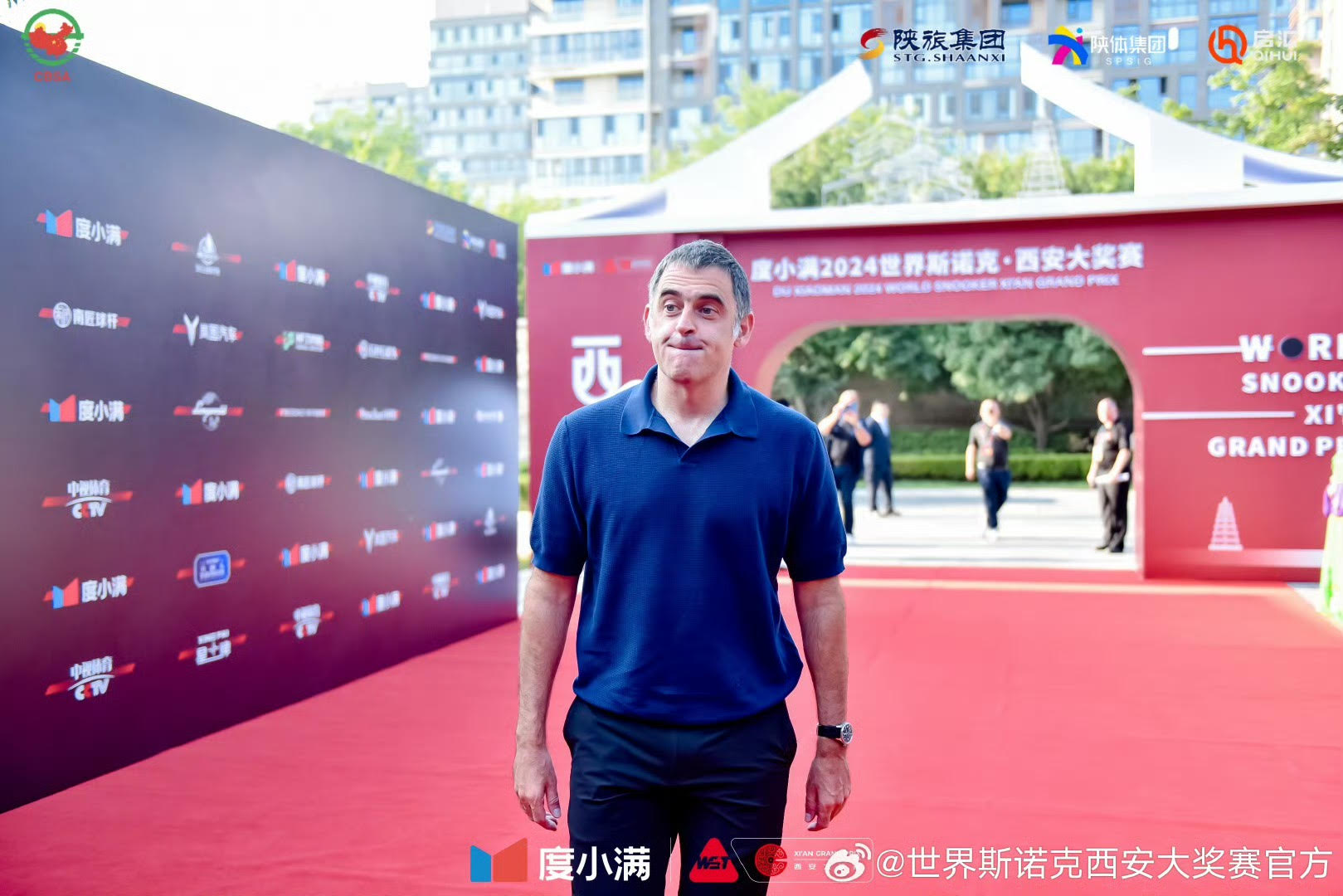
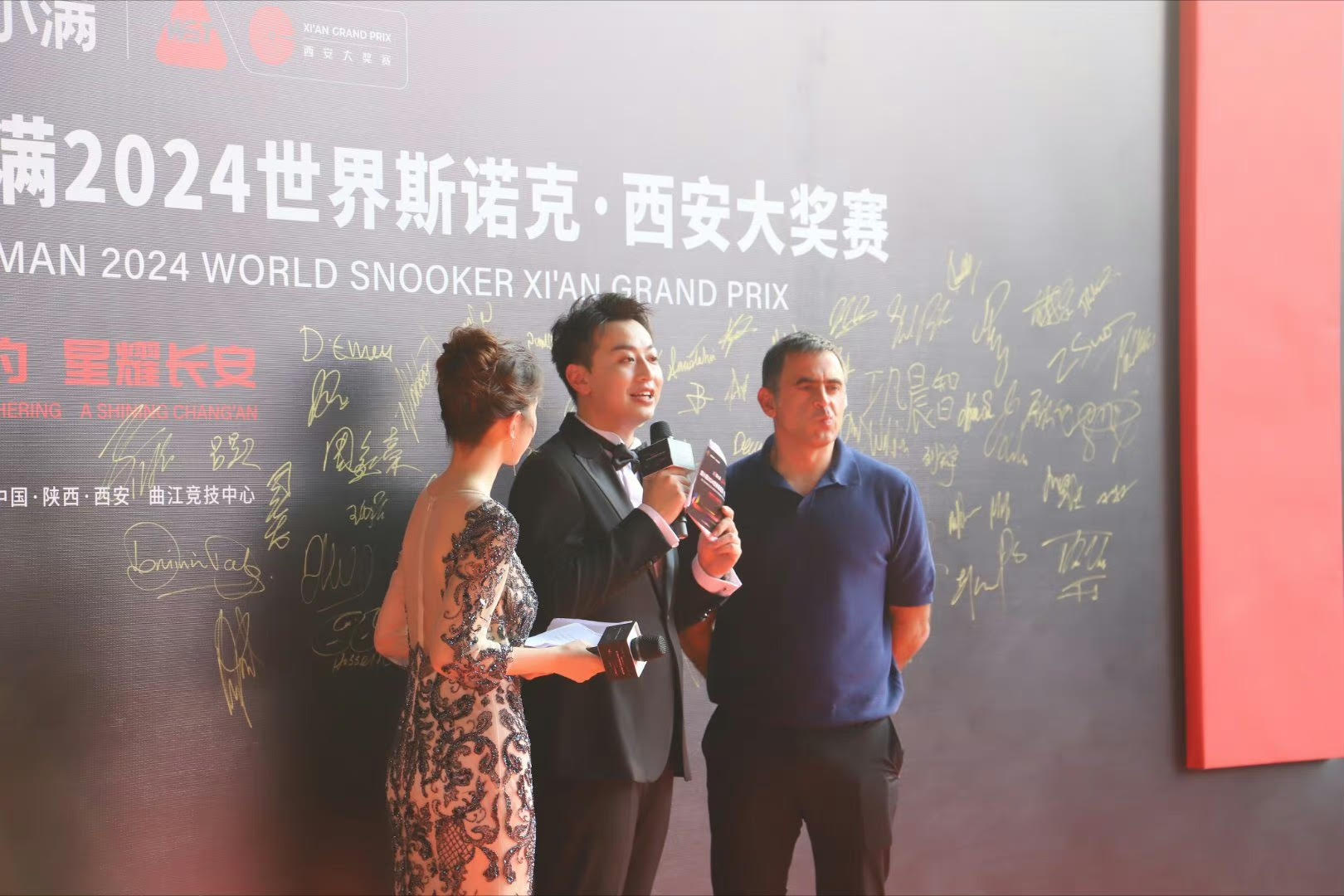
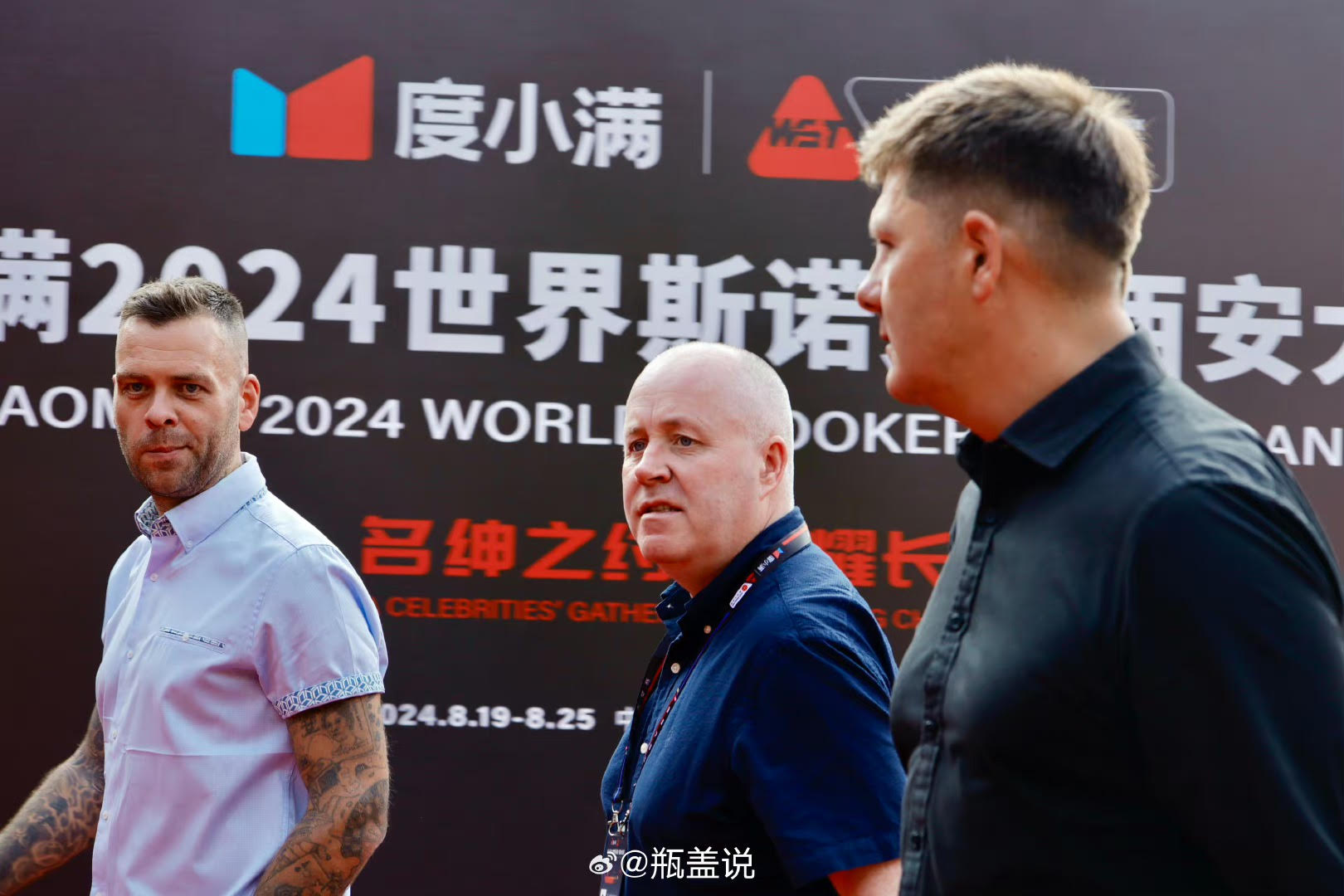
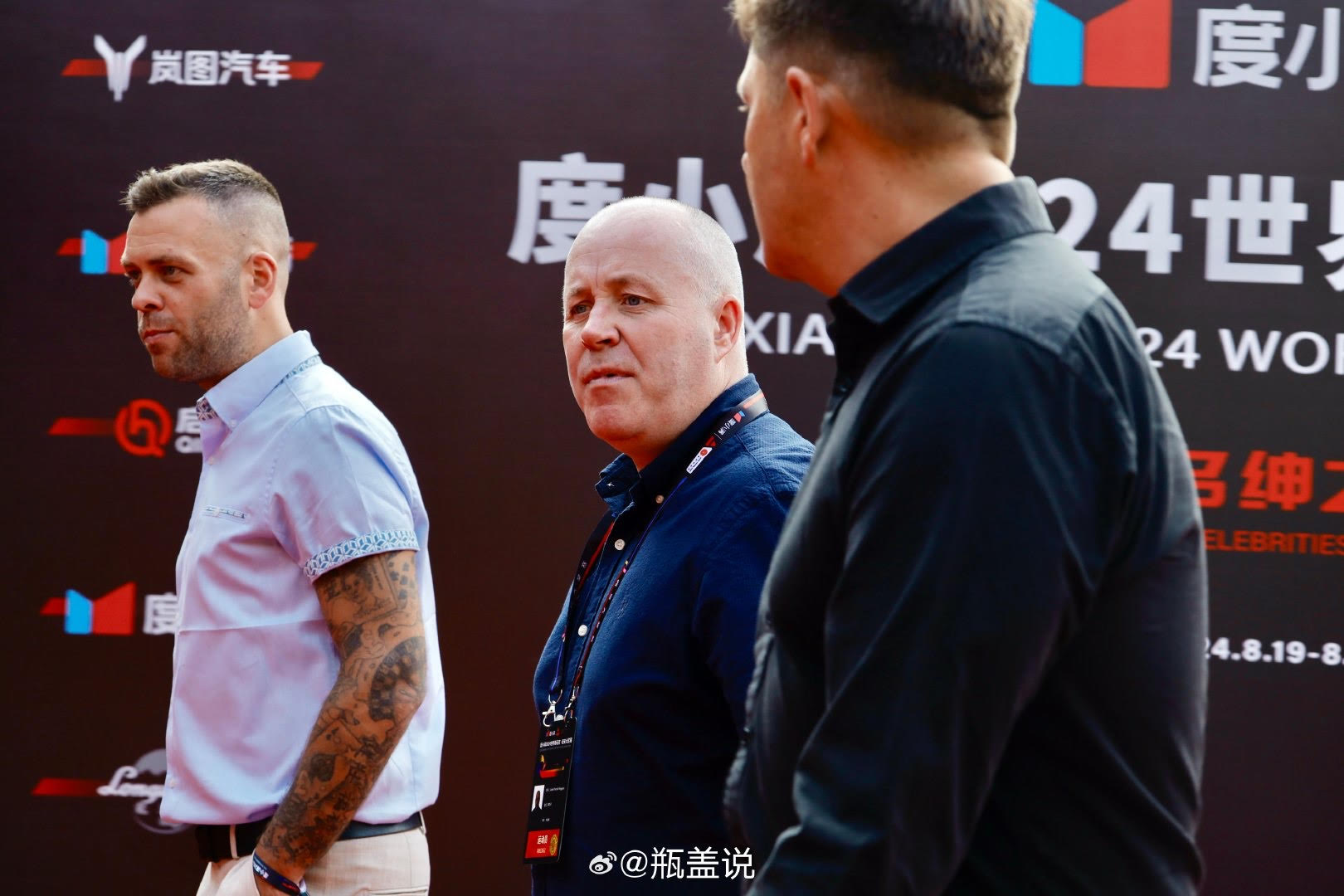
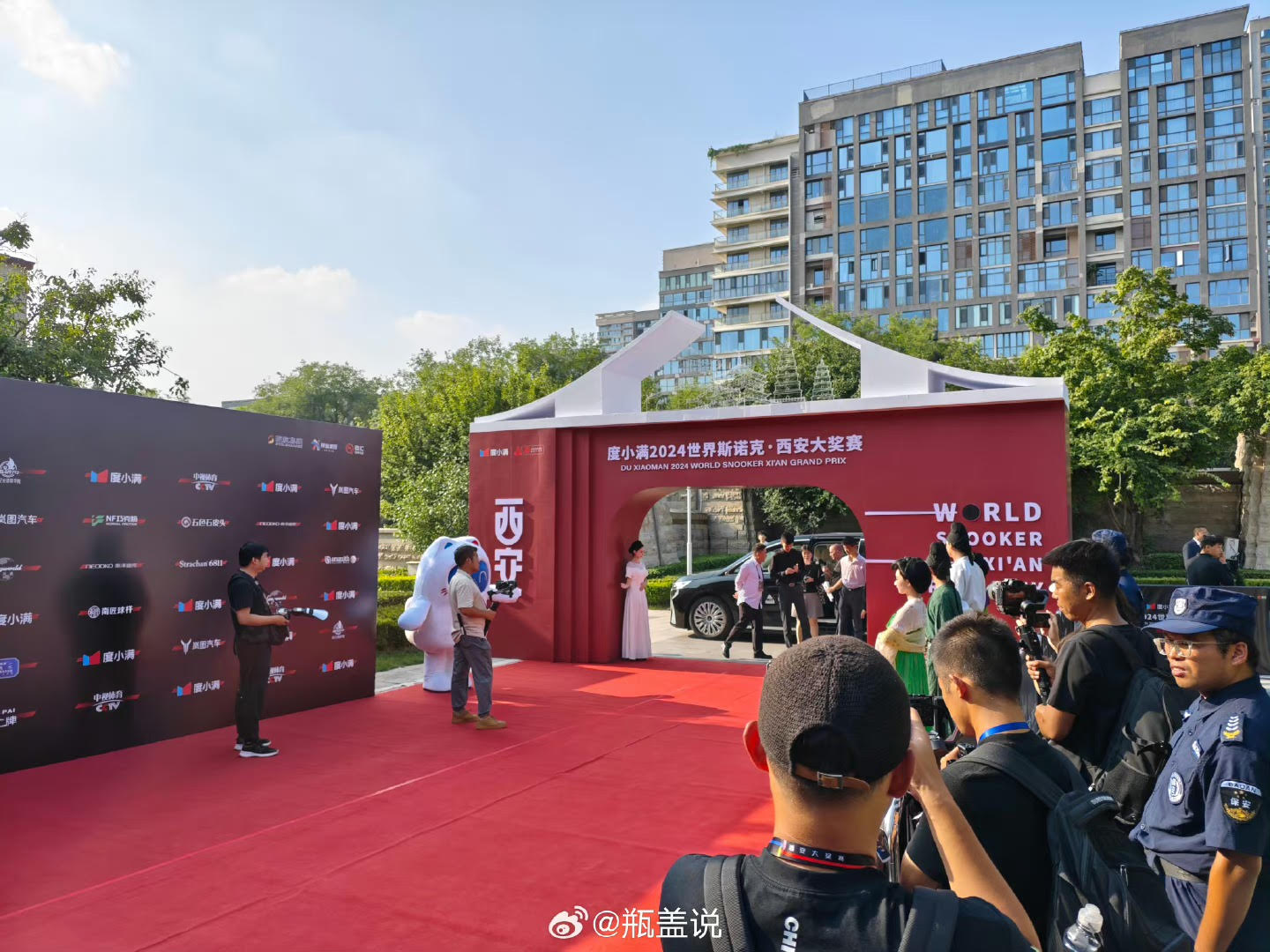
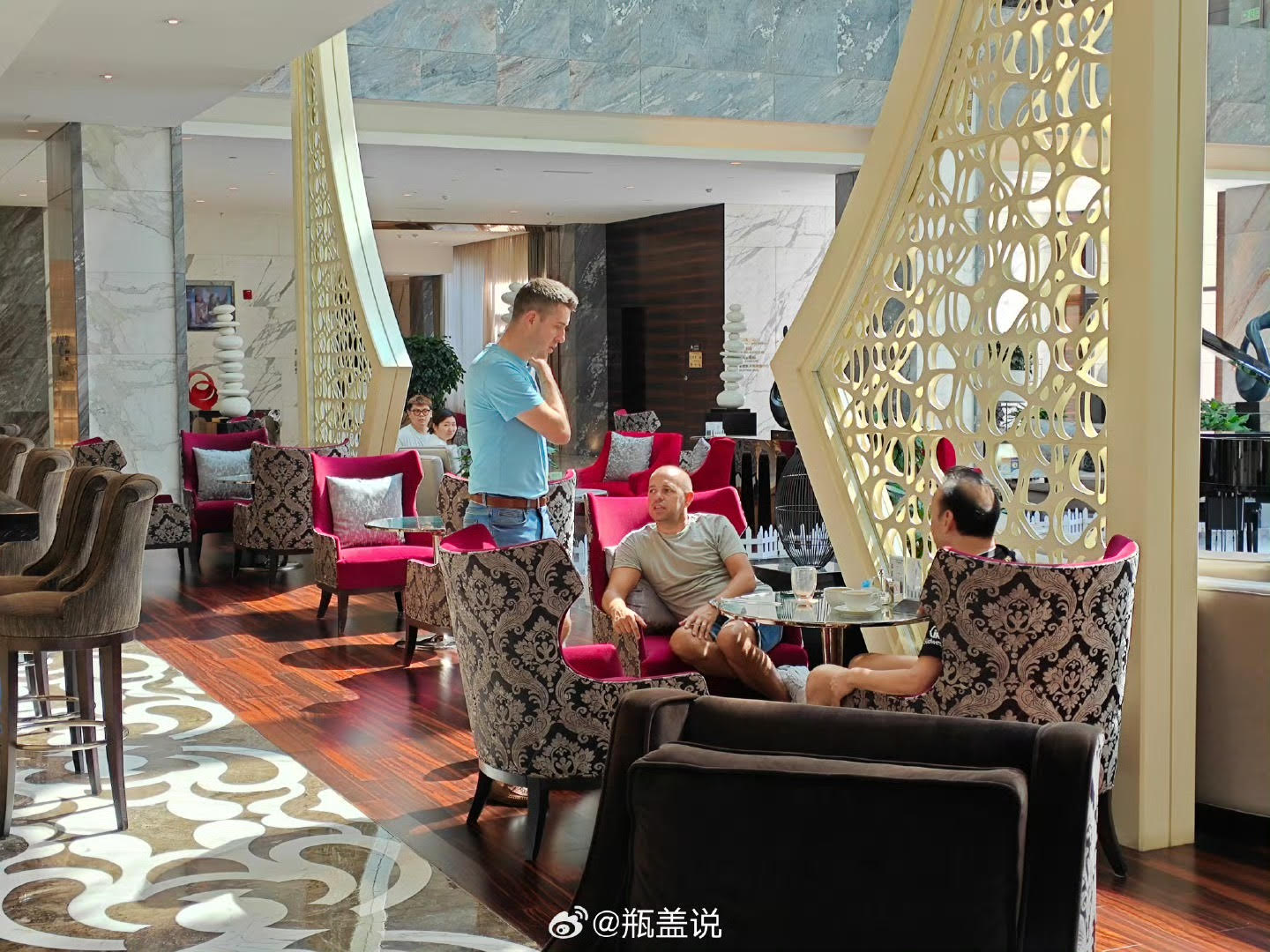
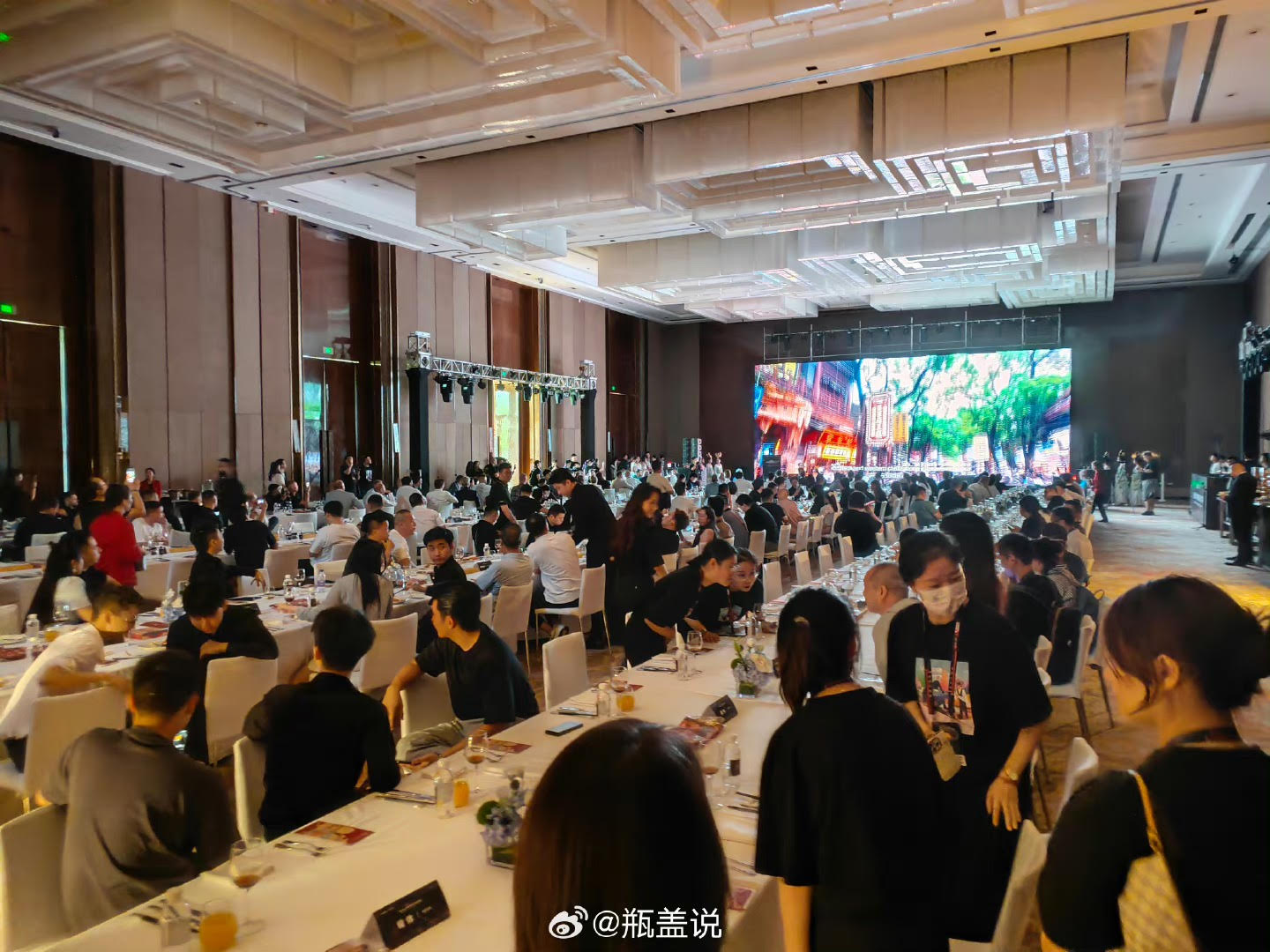
As always in China, the day before an event the players are requested to participate in the opening ceramony, often followed by a banquet. The 2024 Xi’an World Grand prix is no exception.
I can’t rival Kalacs, our master “images and videos” hunter …
THANK YOU ONCE AGAIN KALACS
… but I did some image hunting myself on Weibo and here goes …
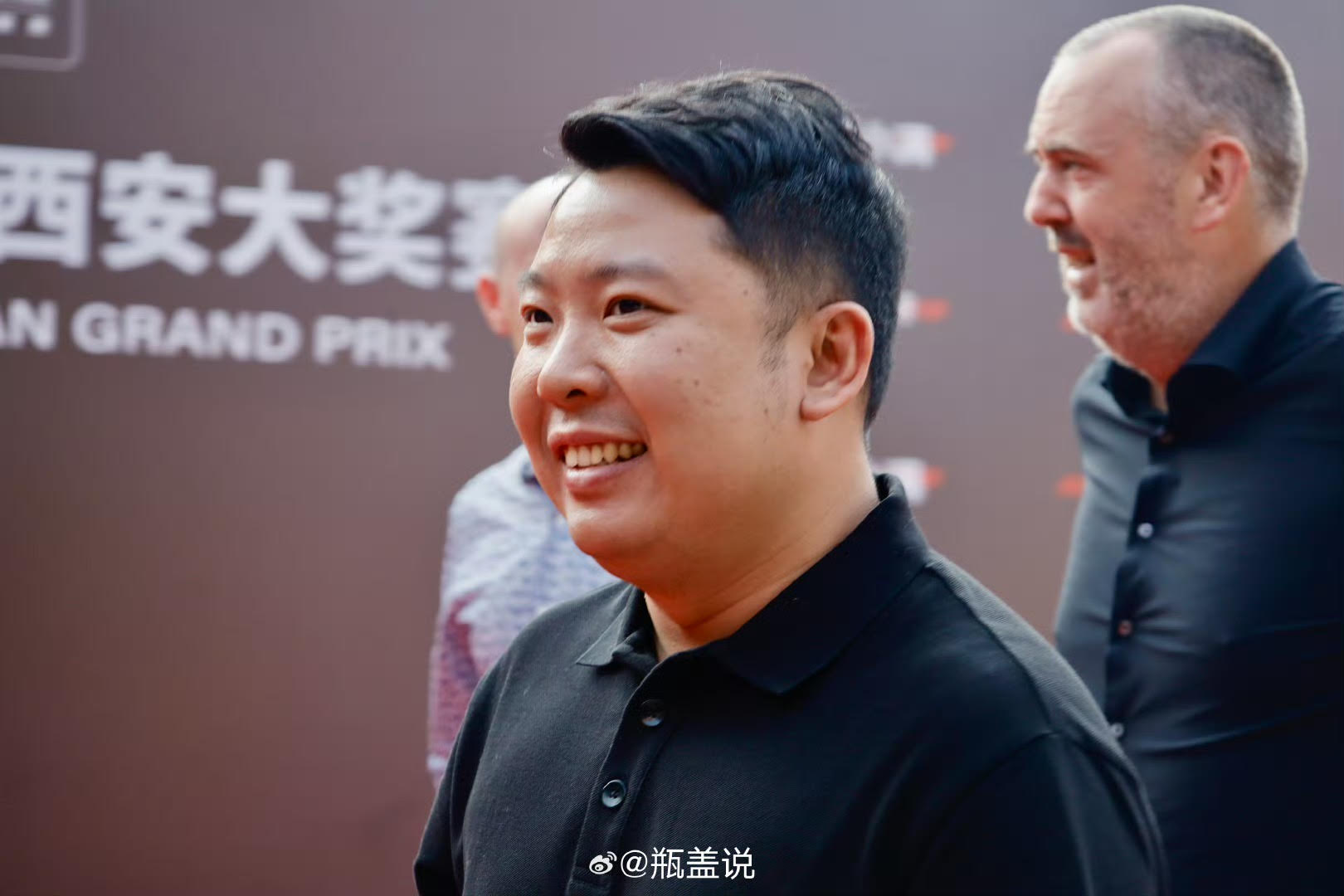
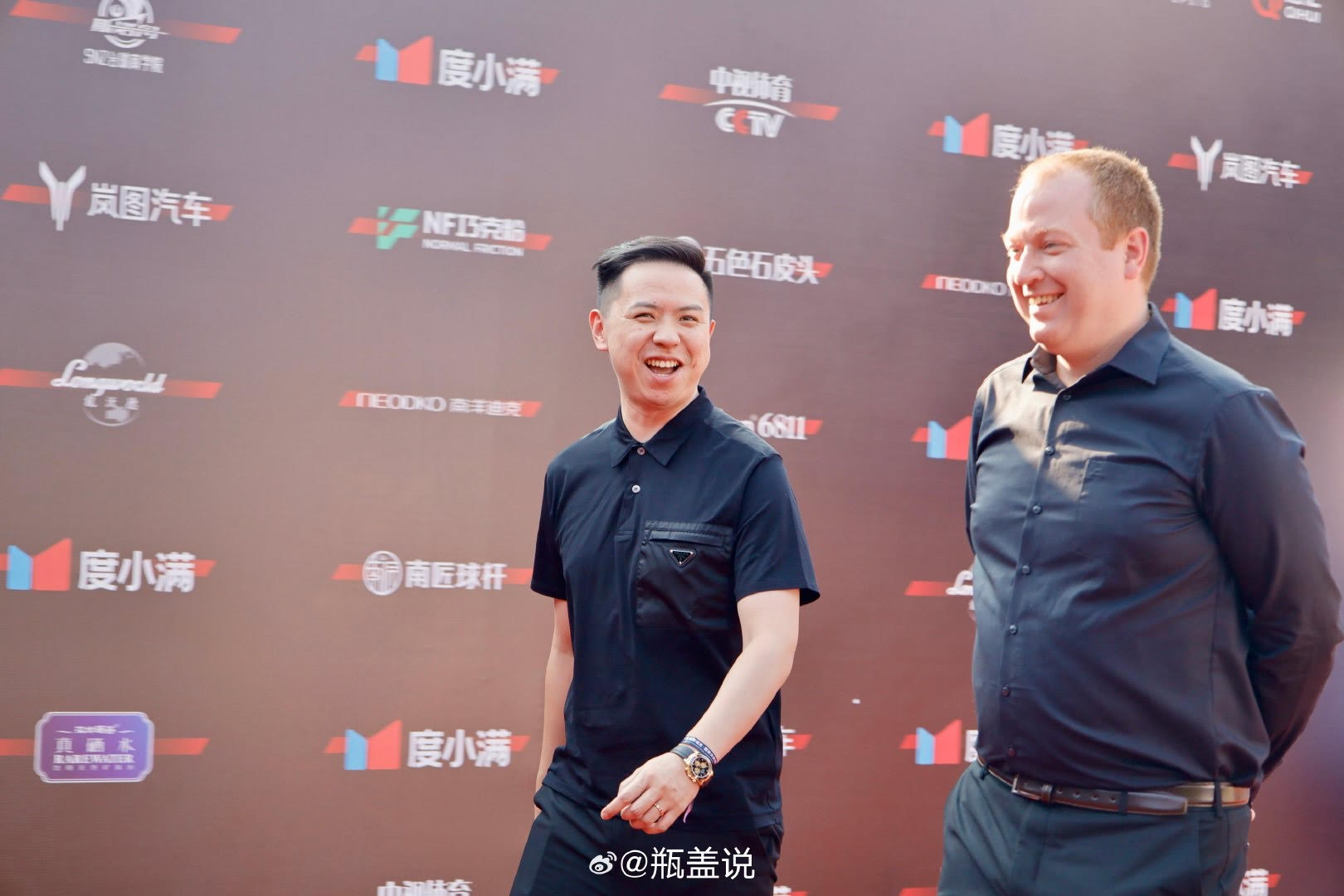
Snooker’s greatest players gathered together with officials from the Shaanxi Province on Sunday, on the eve of the new Du Xiaoman Xi’an Grand Prix.
The players were welcomed by fans and media with a red carpet ceremony, followed by special performances from traditional dancers and musicians, then a banquet as the event was officially opened.
The new £850,000 world ranking event gets underway on Monday with the likes of Kyren Wilson, Mark Selby, Ronnie O’Sullivan, Mark Allen, Ding Junhui, Judd Trump and John Higgins all in action at the Xi’an Qujiang Sports Centre.
…
In his welcome address, WST Chairman Steve Dawson said: “It is a great honour for everyone on the tour to visit the incredible city of Xi’an for the first time. We have staged events in many parts of China and we are excited to meet new friends and discover the traditions of the Shaanxi Province.
“Xi’an is one of the most historic locations in the world, as one of the four ancient capitals of China and the starting point of the Silk Road. These extraordinary stories stretch back for thousands of years, and it is a great privilege for all of us to visit the province and learn more about the past, and ambitions for the future. We share the ambition to grow and develop our sport and to build a bright future for everyone connected with snooker. This event is another huge step forward on this adventure.“
DID YOU KNOW?
XI’AN’S EXTRAORDINARY HISTORY
Xi’an is most famous as the home of the Terracotta Warriors, a collection of over 8,000 stone sculptures depicting the armies of Qin Shi Huang, considered the first emperor of China. The sculptures were buried with his body when he died around 209BC, then lay undiscovered until 1974 when a group of farmers, while digging for water, made one of the greatest ever archaeological finds.
Xi’an was one of the four ‘ancient capitals’ of China, going back over 3,000 years to the Western Zhou dynasty. It was also renowned as the furthest eastern point of the ‘Silk Road’ trade routes which stretched 4,000 miles from Europe to China from around 100BC to 1450AD.
No, this isn’t about photography… 😉 … I wish it was though. This is about the exposure snooker is getting and why the latest developments got me very concerned.
True, we now have more good statistical sites, podcasts and youtube channels dealing with snooker than ever before but … BUT the next professional event, the Xi’an Grand Prix, is starting on Monday next week and, apparently, for us fans in Europe, the only way to watch it will be via matchroom.live. This means that we will get at most two tables but that’s not the worst of it. Unless Matchroom improves their streaming platform for the occasion, it also means that, if for any reason we can’t watch the action when it’s happening, we won’t see it at all1. This is a tournament held in China. Some matches, in the early rounds, will be played at ungodly hours – very early in the morning – and MOST matches will be played during what is for us, Europeans, working hours.
Eurosport branded themselves “the home of snooker”. The Eurosport player was fantastic.
Discovery+ , Eurosport alleged replacement, doesn’t seem to be too keen to offer the same service.
The BBC will only show the UK, the Masters and the World. The ITV tournaments will be on ITV … but those platforms are not supposed to be available to the fans in mainland Europe, or in general outside the UK/Ireland2.
If WST/WPBSA want their sport to be successful this is an issue that needs to be addressed properly and urgently. As we say in French “Loin des yeux … loin du coeur.”3 For any sport to grow and succeed, exposure is vital, and not just exposure, “quality” exposure. Quality is not just about content, it’s also about availability to all fans, no matter their location, their occupation and their time constraints. Eurosport player was offering that, at a price, but it didn’t cost a fortune. Now that option is gone … without actual alternative.
Actually this is not entirely true, you might get some highlights later, but there is no guarantee whatsoever. ↩︎
Yes, I know, VPNs exist BUT… that’s a workaround and not available to all. ↩︎
Although I’m slowly getting better, I’m still in no state to watch any snooker… or any moving images actually. This means that I saw nothing from yesterday action but here is WST report about day 9 at the 2024 Ranking CLS:
WILSON FALLS IN FIRST GROUP STAGE
In his first appearance since conquering the Crucible, Kyren Wilson failed to qualify for the second stage of the BetVictor Championship League, as Scott Donaldson topped the table in Group One.
Six weeks after his World Championship triumph, Wilson mustered a win and two draws from his three matches in Leicester, but that was not enough as Scotland’s Donaldson notched two wins and a draw to go through to the second group phase.
Opening with a 3-0 win over Baipat Siripaporn, Donaldson went on to beat Daniel Womersley 3-1, which left him needing to avoid defeat in his final match against Wilson. A break of 79 gave Wilson the opening frame, before Donaldson hit back with 88 and 101 to go 2-1 up and ensure top spot in the group. Wilson finished with a 111 for a 2-2 draw but misses out on the rest of the season’s first ranking event and now has a four-week gap before he’s back on the table at the Shanghai Masters.
Hossein Vafaei finished top of Group 14 , conceding just one frame in his three matches. A break of 89 helped him to a 3-0 win over Josh Mulholland, then he saw off Manasawin Phetmalaikul 3-1 and Louis Heathcote 3-0.
A draw in his first match of the new season cost Kyren, but, yeah, it was the first match of the season, and a very short format. Never easy. And, of course, Scott Donaldson is a quality player. So it’s no “big shock” and not a disaster either. Baipat on the other hand didn’t win a single frame. It’s worrying because I have the feeling that instead of progressing during her first year as a pro, she has only regressed. She’s probably lost all self-belief and with that all motivation. I hope I’m wrong in this assessment but…
Hossein winning the other group emphatically didn’t surprise me, although I expected more resistance from Louis Heathcote.
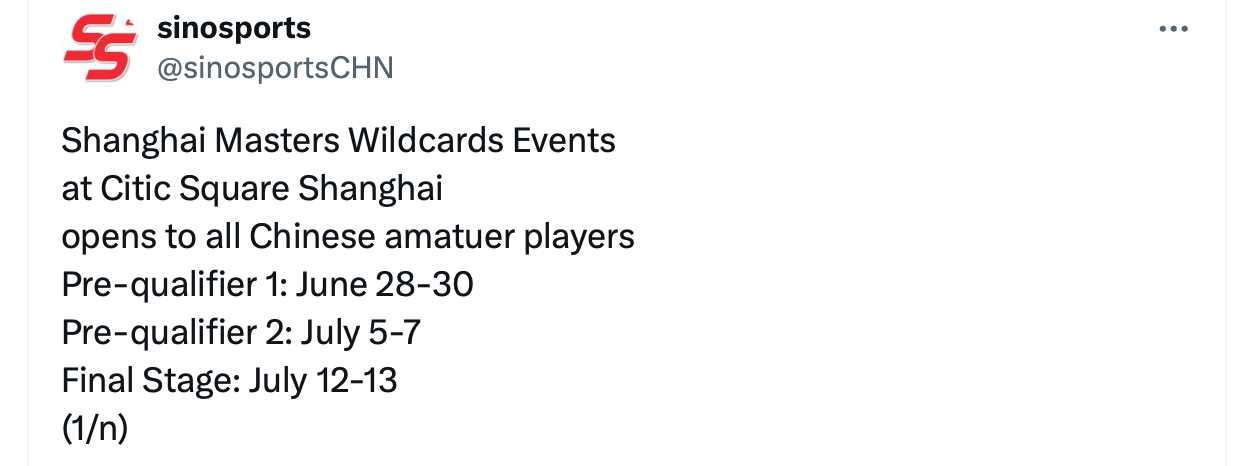
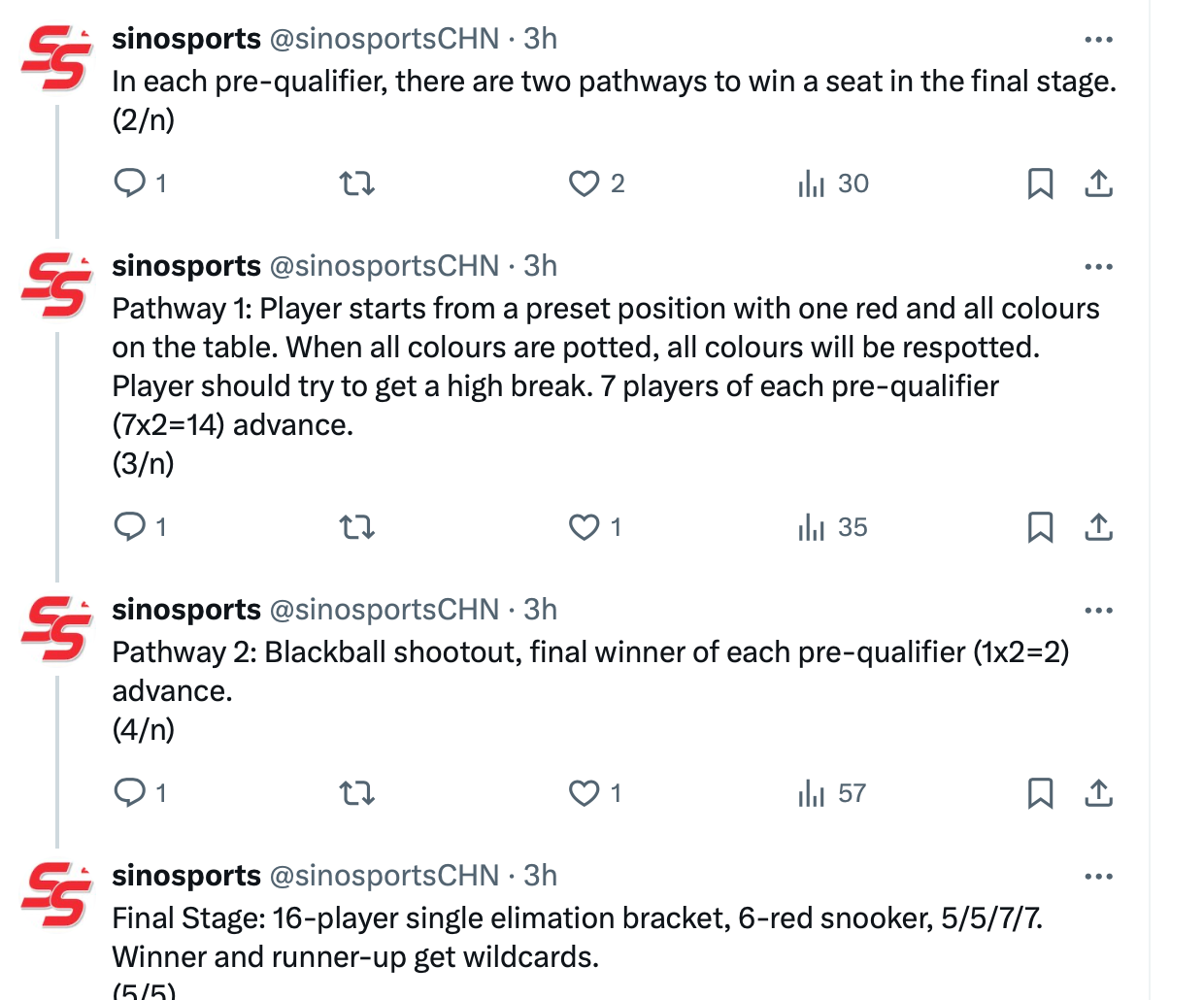
2024 Shanghai Masters Wildcard News: Selection process
There will be a rather big qualifying process to determine the wildcards for the 2024 Shanghai Masters.
Sinosport indeed shared this on Twitter (X) , and they surely did share that info on other platforms as well:
Now, I’m not sure I fully understand the whole process but the whole thing looks like a stern test for the aspiring wildcards.
The World Professional Billiards and Snooker Association (WPBSA) has today announced updated anti-doping procedures to apply to its amateur and development organisations across the WPBSA Group from the start of the 2024/25 season. This does not relate to the professional World Snooker Tour which has existing procedures organised by the WPBSA.
As part of our commitment for our sport to be IOC compliant, from the start of this season random drug tests will take place at events organised across the WPBSA Group throughout the season. The relevant organisations/events may include:
All players will note the relevant addition to the Standard Conditions of Entry for each of these organisations:
Drug Testing: Players shall at all times comply with the WPBSA Anti-Doping Rules and must make themselves available for and must submit to Doping Control (urine and/or blood) at any time as per section 5.2.1 of these Rules.
Should you have any further questions please contact us.
The red highlight is my doing. The reason I highlighted it is because it shows a clear commitment by WPBSA to get snooker into the Olympic games. Although I’m not sure snooker is particularly “suited” for this type of competition, if it became an olympic sport it could bring great benefits for the amateurs in many countries.
As an example, in Belgium, in past years, athletes preparing for the Olympic games got special support in the form of funding, access to training facilities and part-time work in order to allow them the best possible preparation. Inclusion in the Olympic games would also lead to the recognition of snooker as an actual sport, which would also open them access to to various funding possibilities.
The end of the Eurosport App … and what it means for many snooker fans
Today I got this in my email…
Cher Client,
Nous avons le regret de vous informer que le service d’abonnement Eurosport Premium sera supprimé le 22 juillet. Après l’arrêt du service, vous recevrez un remboursement pour la période restante non utilisée de votre abonnement. Les remboursements seront effectués selon le mode de paiement que vous avez utilisé pour acheter votre abonnement.
Vous pouvez continuer à profiter de nos articles d’actualité et de notre contenu gratuits sur le site Internet et l’application Eurosport.
Pour plus d’informations sur les endroits où vous pouvez continuer à regarder vos sports préférés, ou si vous avez besoin d’aide, consultez notre Centre d’aide.
Cordialement, L’équipe Eurosport
Which translates like this
Dear Customer,
We regret to inform you that the Eurosport Premium subscription service will be discontinued on July 22. Après l’arrêt du service, you will receive a refund for the remaining unused period of your subscription. Refunds will be made according to the mode of payment that you used to purchase your subscription.
You can continue to benefit from our current articles and our free content on the Internet site and the Eurosport application.
For more information on where you can continue watching your favorite sports, or if you need help, consult our Help Center.
Cordially, The Eurosport team
This is a disaster for me, and I’m sure for many other snooker fans around Europe. Living in Greece, the Eurosport App is the only way I can watch Eurosport. It isn’t part of ANY available package for terrestrial television in this country. BTW, BBC and ITV aren’t available either. So I will have to rely solely on matchroom.live with no possibility to watch a match “later” if I can’t watch it at broadcast time for any reason … including time difference. I wonder if WST/WPBSA are aware of this, and wether they will care. Really they should.

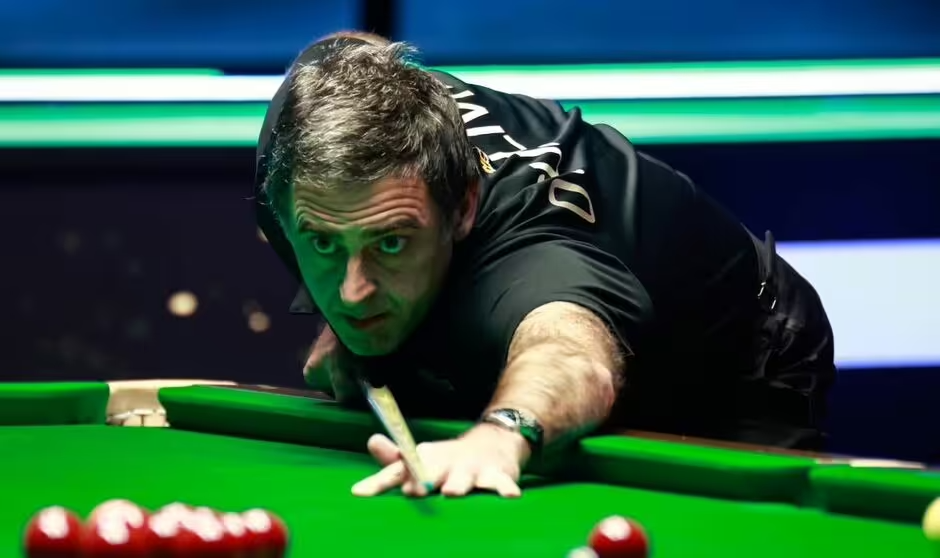































 Ronnie O'Sullivan